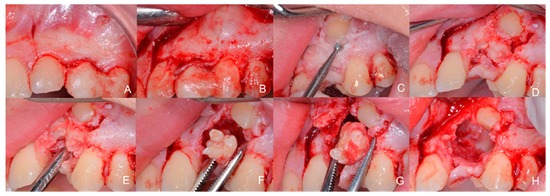
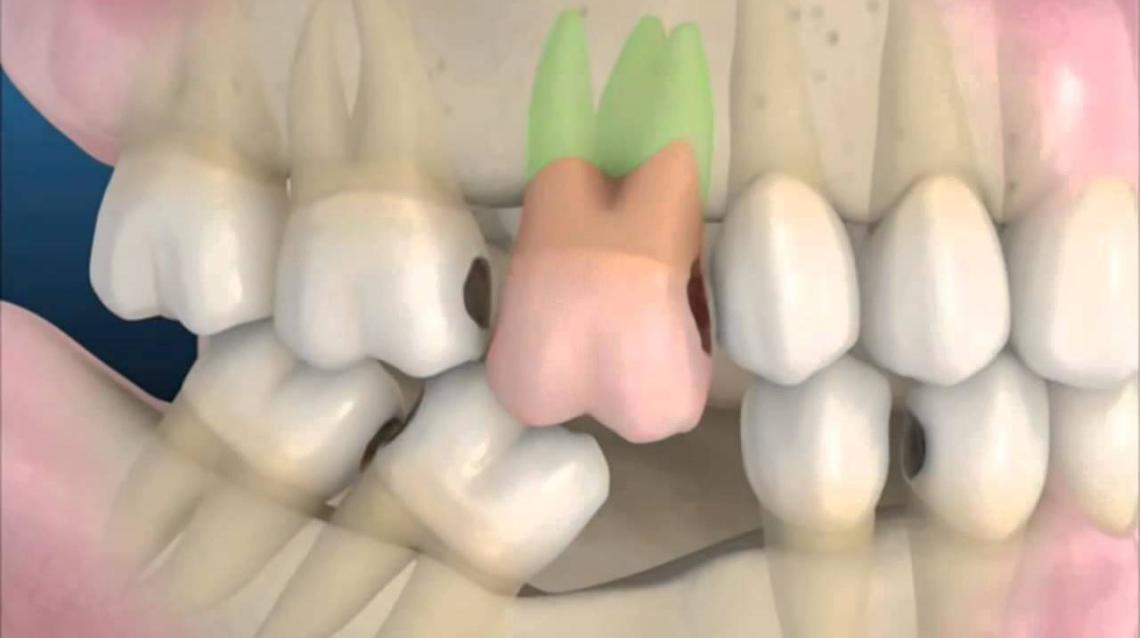
A Tooth Extraction leads to several consequences for the remaining teeth. One major issue is the shifting of adjacent teeth into the empty space, disrupting proper alignment. Over time, neighboring teeth may tilt or rotate, causing bite problems and misalignment. This tooth movement can also create gaps, making teeth more prone to decay and gum disease. Moreover, the lack of support may lead to bone loss in the jaw, further compromising oral health.
Misalignment of bite: When your teeth shift, it can change the way your upper and lower teeth come together. This leads to problems with chewing, speaking, and even jaw pain.
Increased risk of tooth decay and gum disease: When your teeth are misaligned, it will be harder to clean them properly. This increases your risk of tooth decay and gum disease.
Bone loss: The bone that supports your teeth starts to shrink after tooth extraction. This makes it difficult to replace the missing tooth with a dental implant later on.
If you have a missing a tooth, it is important to talk to your dentist about your options for replacing it. There are a number of different ways to replace a missing tooth, including dental implants, bridges, and removable dentures. Your dentist can help you choose the best option for your individual needs.
When an upper or lower molar is extracted, the opposing molar may over-erupt into the empty space. Dentists call it a “supra-eruption”. This happens because teeth naturally seek an opposing contact for balance in the bite.
However, the extent of movement depends on several factors:
Age: The process is slower in older age compared to younger individuals.
Time since extraction: Overeruption usually takes months to years.
Opposing tooth stability: If your lower second molar has strong bone support and no mobility, it may not move significantly.
Bite forces and habits: Clenching or grinding can affect how much the lower molar moves.
How to prevent tooth extraction consequences
If you’re concerned, you can:
Monitor the molar: Regular dental checkups will help assess any movement.
Consider a replacement: A dental implant or bridge can maintain occlusion.
Use a retainer or nightguard: If your dentist advises, this will help keep the lower molar in place.
Read our full disclaimer.