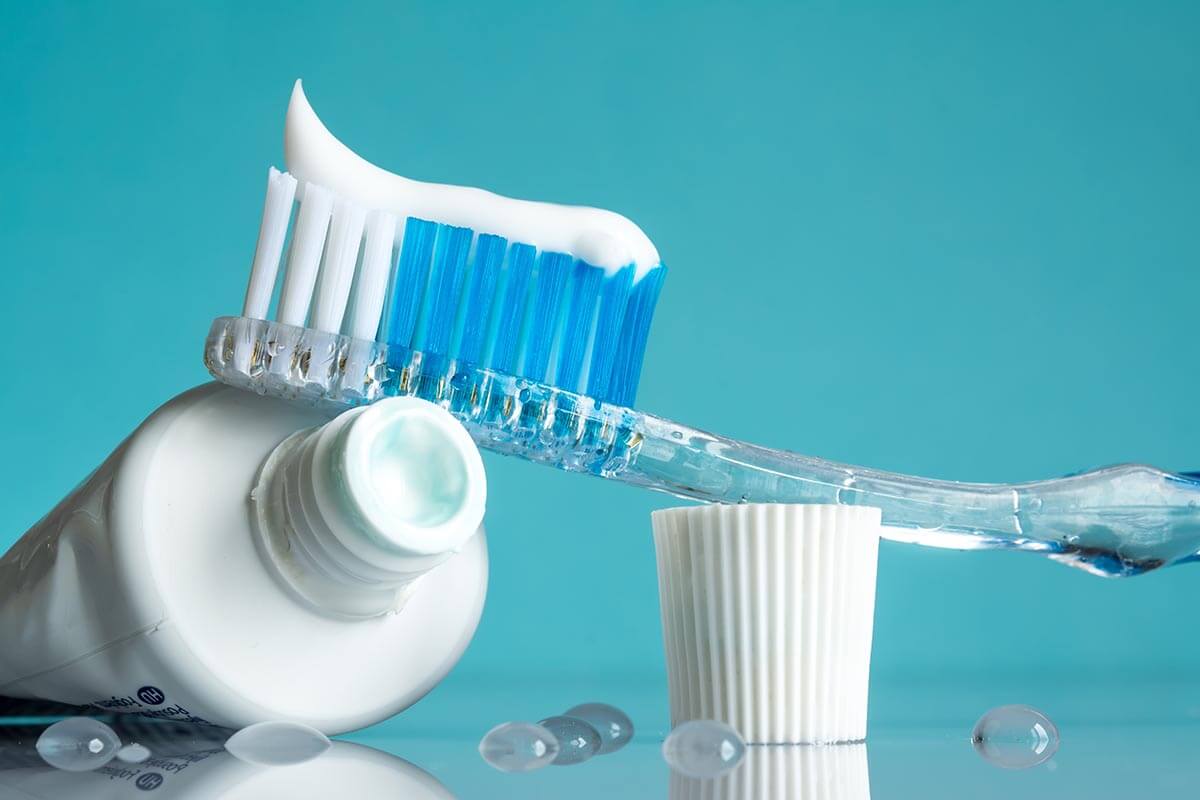
In recent years, leading toothpaste brands have positioned their products as essential tools for dental health. Television commercials promise stronger teeth, cavity protection, whitening and relief from sensitivity. Pharmacies, supermarkets and even small retail shops show colorful toothpaste packs claiming scientifically proven benefits. But an important question arises “Do they really improve oral health or does marketing, rather than measurable outcomes, largely drive their success?”
To understand this, it is essential to first recognize the major oral health challenges faced by human beings. Tooth decay, gum disease, sensitivity, bad breath and enamel abrasion are common problems. Studies and clinical observations across dental institutions worldwide have shown that lack of awareness, poor brushing techniques, infrequent dental visits and high sugar consumption contribute significantly to these conditions. In such a scenario, toothpaste can only be one part of oral hygiene management, not the entire solution.
The leading toothpaste brands that dominate the global market, known for wide distribution, strong sales and high consumer recognition include; Colgate, Oral B, Crest, Sensodyne, Pepsodent, Close-Up and Aquafresh. These brands offer specialized formulations containing fluoride for decay protection, desensitizing agents for sensitivity relief and antibacterial components to help control gum infections. Fluoridated toothpastes are well-established globally as effective in reducing tooth decay and most leading brands do include adequate fluoride concentrations. Therefore, in this respect, these brands do contribute positively toward decay prevention, provided consumers use them regularly and correctly.
Sensodyne, for instance, has become synonymous with sensitivity management among consumers. Many dentists recommend it for dentinal hypersensitivity because it contains clinically proven desensitizing compounds. Similarly, Colgate Total and Oral-B toothpastes contain antibacterial agents that can help reduce plaque formation and gingival inflammation. From a purely scientific standpoint, these brands do offer beneficial formulations that support better oral health outcomes.
However, the real challenge lies not in the toothpaste itself but in how people use it. A toothpaste is usually expected to work like a magic cure, fixing all dental issues without professional intervention. Some individuals believe that merely switching brands can solve dental pain or bleeding gums. This misconception leads to delayed dental treatment and worsening oral disease. Toothpaste is preventive, not curative; it cannot replace scaling for gum disease or fillings for cavities. Therefore, although leading brands can improve oral health, their benefits are limited if not accompanied by proper oral hygiene practices and regular dental check-ups.
Another important aspect is the rise of whitening toothpastes, which are extremely popular in many countries due to aesthetic concerns. Although they promise sparkling smiles, most whitening toothpastes contain abrasive agents that may gradually wear down enamel if overused, especially when brushing aggressively. This can actually contribute to sensitivity and enamel damage. Thus, not every product marketed as “advanced” or “premium” is necessarily beneficial for every individual. Marketing plays a powerful role in shaping public perception. Advertisements frequently exaggerate results, implying guaranteed protection simply through brand choice. Many consumers select toothpaste based on celebrity endorsements rather than dental advice. Unfortunately, this shifts the focus from oral hygiene behaviors, such as brushing twice daily, using proper technique and flossing, to mere brand loyalty.
Affordability and accessibility of toothpastes also influence outcomes. A significant portion of the world population, especially in economically poor countries, does not consistently use branded toothpaste at all. Traditional practices such as using miswak, charcoal or tooth powders are still prevalent. Interestingly, miswak has scientifically proven oral health benefits, particularly in controlling plaque and bacteria, but outdated or unhygienic practices can negate these benefits. In such communities, improved awareness and education may be more impactful than the availability of any specific brand.
Ultimately, whether leading toothpaste brands improve oral health depends on multiple factors; product quality, proper usage, consumer education and integration with professional dental care. These brands certainly provide scientifically backed benefits, especially where fluoride protection and sensitivity relief are concerned. However, they cannot independently transform oral health standards in the world. The key lies in public awareness, preventive dental education, affordable dental services and responsible marketing.
References
van der Weijden FA, Slot DE. Efficacy of home-care regimens for mechanical plaque removal in managing gingivitis: a meta-review.
J Clinical Periodontology. 2015;42(S16):S77–S91. DOI: 10.1111/jcpe.12359
Read our full disclaimer.