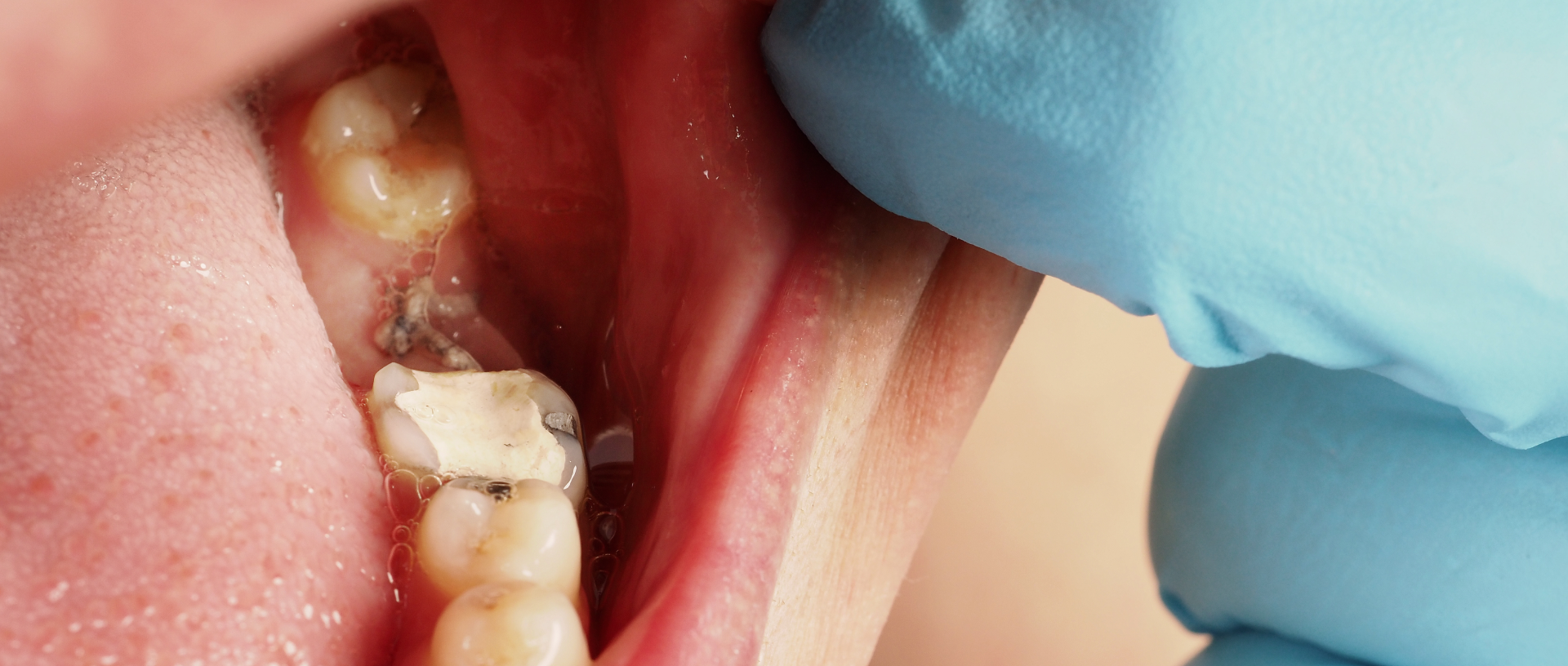
A dental abscess is a localized collection of pus caused by a bacterial infection in or around a tooth or the surrounding gum tissues. It requires prompt assessment by a qualified dentist because the infection may not resolve without addressing its underlying dental cause.
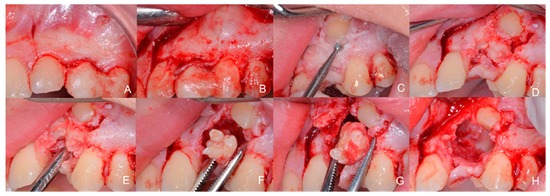
Antibiotics alone usually do not eliminate the source of a dental abscess. Depending on the diagnosis, definitive dental treatment may involve drainage, root canal treatment, periodontal treatment, or extraction of the affected tooth. Antibiotics are not required in every case and should only be prescribed by a qualified dental or medical professional when clinically indicated, such as when infection is spreading, systemic symptoms are present, or the patient has an increased risk of complications.
Patients should not take leftover antibiotics, share antibiotics, change the prescribed dose, or stop treatment without professional guidance. Unnecessary or inappropriate antibiotic use contributes to antimicrobial resistance and can delay the dental treatment needed to control the source of infection.
When to Seek Urgent or Emergency Care
Seek urgent dental or medical care if a suspected dental abscess is accompanied by:
- Facial, jaw, or neck swelling
- Fever or feeling seriously unwell
- Difficulty breathing or swallowing
- Swelling near the eye
- Difficulty opening the mouth
- Rapidly increasing pain or swelling
- Confusion, severe weakness, or other signs of systemic illness
Breathing difficulty, swallowing difficulty, rapidly spreading swelling, or severe systemic symptoms may indicate a medical emergency.
What Not to Do
Do not attempt to puncture, squeeze, or drain an abscess at home. Pain relief measures may temporarily reduce discomfort but do not treat the underlying infection. Arrange an urgent dental assessment even if the abscess drains spontaneously or the pain temporarily improves.
References
- NHS – Dental abscess
- NHS Scotland – Dental abscess antimicrobial guidance
- American Dental Association – Clinical guidelines
Read our full disclaimer.