
Alzheimer’s disease is a progressive disease that affects memory, cognition, behavior, and the overall ability to perform daily activities. It is the most common cause of dementia worldwide and predominantly affects the elderly population. As the disease progresses, patients gradually lose control over their thinking, routine habits and self-care abilities. Alzheimer’s is generally viewed as a brain-related condition but research over recent years has highlighted a strong connection between oral health and cognitive decline. Dental ailments not only appear more frequently among Alzheimer’s patients but may also play a role in triggering or accelerating the disease. This emerging link makes oral health an important factor in understanding, preventing and managing Alzheimer’s disease.
Impact of Gum Disease the Brain
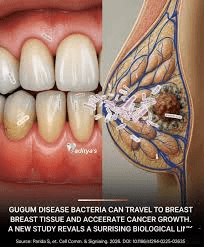
One of the most significant connections between Alzheimer’s and dental ailments lies in chronic gum disease, medically known as periodontitis. Periodontitis is a long-standing inflammatory condition caused by bacterial plaque accumulation around the teeth and gums. If neglected, it leads to gum destruction, bone loss, and eventually tooth loss. Studies have suggested that the bacteria responsible for gum disease, especially Porphyromonas gingivalis, can enter the bloodstream and travel to the brain. Once in the brain, these bacteria and their toxic by-products may trigger inflammatory reactions that damage brain tissue. It contributes to the formation of amyloid plaque, a hallmark feature of Alzheimer’s disease. Chronic inflammation is already known to play a major role in Alzheimer’s progression and gum disease serves as a persistent source of inflammation that may worsen brain degeneration.
Impact of Tooth Loss on Memory
Another important aspect is the role of tooth loss. Research shows a link between multiple missing teeth and memory decline. This risk is higher for people who lose teeth early in their life. Leaving these spaces untreated further increases the danger of memory impairment. There are several reasons for this connection.
- Tooth loss affects chewing efficiency. Proper mastication is not only important for digestion but also stimulates brain activity. The act of chewing increases blood flow to the brain and promotes neural activity in memory-related regions. Reduced chewing ability diminishes this stimulation, potentially contributing to memory crisis.
- Tooth loss is often associated with long-term poor oral hygiene, chronic infections and systemic inflammation.All of these have damaging effects on brain health.
Impact of Oral Infections on body Immunity
Oral infections and poor dental hygiene also influence systemic health in other ways that indirectly connect with Alzheimer’s. Chronic oral diseases contribute to cardiovascular disorders, diabetes, respiratory infections and weakened immunity. Many of these systemic diseases have already been recognized as risk factors for Alzheimer’s. For instance, cardiovascular problems reduce blood supply to the brain, diabetes leads to vascular damage and metabolic disturbances, while prolonged inflammation impairs brain function. Thus, oral disease does not remain confined to the mouth; it contributes to a chain of health problems that collectively increase the risk of cognitive decline.
Impact of Alzheimer’s disease on Oral Care
The association between Alzheimer’s disease and dental ailments is not a one-way relationship. Alzheimer’s also significantly affects oral health. As the disease progresses, patients gradually lose the ability to maintain routine oral hygiene practices such as brushing and flossing. They may forget to clean their teeth, use improper brushing techniques, or develop behavioral resistance to dental care. Reduced manual dexterity, poor memory, confusion and apathy make maintaining oral hygiene increasingly difficult. As a result, dental plaque accumulates rapidly, leading to tooth decay, gum disease, halitosis and infections. Difficulty in communicating discomfort may further worsen the condition, as many Alzheimer’s patients are unable to express pain or dental problems, resulting in delayed diagnosis and treatment.
Feeding difficulties in Alzheimer’s patients also contribute to dental deterioration. As swallowing and chewing problems develop, caregivers shift patients to soft, mashed, or sweetened diets to make feeding easier. Many of these foods are high in carbohydrates and sugars, which promote tooth decay. Dry mouth, another common problem due to medications used for Alzheimer’s and associated illnesses, increases the risk of tooth decay and fungal infections. Reduced saliva flow weakens the natural cleansing and protective mechanism of the mouth, allowing disease-causing bacteria to thrive.
Impact of Oral Neglect in Alzheimer’s Patients
The consequences of neglected dental health in Alzheimer’s patients extend beyond the mouth. Painful teeth, gum infections and oral discomfort affect eating ability, leading to malnutrition and weight loss, which further weaken cognitive function and general health. Oral infections may spread to other organs, increasing the risk of pneumonia, heart disease and systemic sepsis. Poor oral health affects behavior as well; unrecognized dental pain can cause irritability, aggression, sleep disturbance, and reduced cooperation, worsening the caregiving burden.
Considering these strong connections, maintaining oral health should be regarded as an essential part of Alzheimer’s prevention and management strategies. Preserving teeth through proper dental care can maintain chewing efficiency and indirectly support brain stimulation. For individuals already diagnosed with Alzheimer’s, preventive dental strategies must begin as early as possible, preferably in the mild stages when patients can still cooperate and understand instructions.
Read our full disclaimer.