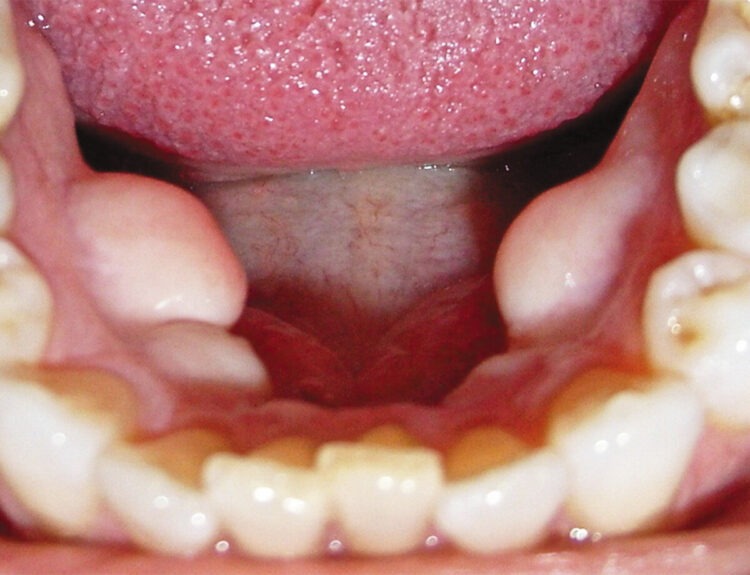
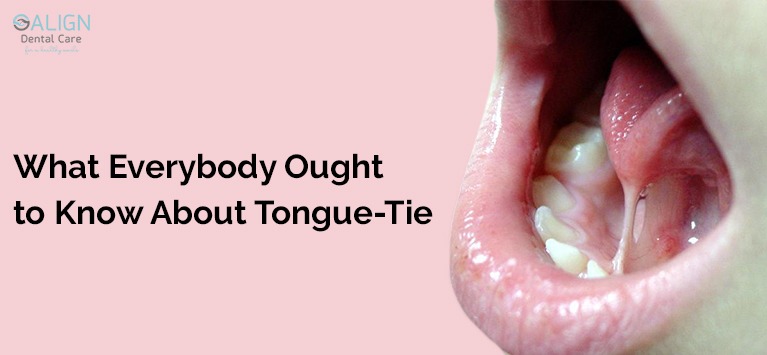
Ankyloglossia is a congenital condition in which the thin band of tissue connecting the underside of the tongue to the floor of the mouth is unusually short, tight, or thick. This restriction limits the normal movement of the tongue and may affect feeding, speech and oral hygiene. Dental practitioners also call it “Tongue Tie”. Although it has gained significant attention in recent years. especially in newborns, it is not a new condition. Its management continues to evolve with better understanding and research.
In a normal mouth, the tongue should move freely. It must lift touching the palate, protrude beyond the lower lip and sweep side to side. In tongue tie, this range of motion is variably reduced. The severity can vary widely; from mild cases where tongue movement is only slightly limited, to severe cases where the tongue appears heart-shaped at the tip and cannot extend properly.
Tongue tie is present at birth, but not all cases are detected immediately. Some individuals may live for years without knowing they have Tongue Tie. While others, particularly infants, show early signs that prompt diagnosis.
How Common Is Tongue Tie?
Reported prevalence varies, generally ranging from 3% to 10% of newborns. It appears to be more common in males than females. Differences in reported rates are partly due to variation in diagnostic criteria and clinical awareness. Increased attention to breastfeeding difficulties has led to more frequent identification of tongue tie in infancy.
Clinical Features
In Infants
Tongue tie is generally identified in newborns because of feeding issues. Common signs include:
Difficulty latching onto the breast
Prolonged or inefficient feeding
Clicking sounds during feeding
Poor weight gain in the infant
Maternal nipple pain or trauma during breastfeeding
Because breastfeeding relies heavily on effective tongue movement, even a mild restriction can have noticeable consequences.
In Children
As children grow, tongue tie may present differently:
Delayed or unclear speech, particularly sounds requiring tongue elevation (such as t, d, l, r, s, and th)
Difficulty licking lips, ice cream or food residues
Problems with oral hygiene due to limited tongue mobility
Mouth breathing or altered swallowing patterns
In Adolescents and Adults
In older individuals, symptoms may include:
Speech fatigue or articulation issues
Difficulty kissing
Playing wind instruments
Gum recession in the lower front teeth due to abnormal frenulum pull
Social or psychological concerns related to speech
Diagnosis of Tongue Tie
Diagnosis is primarily clinical and involves visual inspection combined with functional assessment of tongue movement. Several classification systems exist, ranging from simple descriptive approaches to more structured scoring tools that evaluate appearance and function.
Does Tongue Tie Always Need Treatment?
Not necessarily. Many individuals with mild tongue tie experience no functional difficulties and require no intervention. Treatment decisions should be based on symptoms and functional impairment rather than anatomy alone. For example:
An infant feeding well and gaining weight normally may only require observation.
A child with speech difficulties linked to restricted tongue movement may benefit from intervention.
Treatment Options
Conservative Management
In mild cases, especially in infants, dentists first try conservative measures. These include:
Breastfeeding support and positioning techniques
Lactation consultation
Speech therapy in older children
Sometimes, improved technique and therapy compensate for limited tongue movement.
Surgical Management
When tongue tie causes significant functional problems, dentists recommend a minor surgical procedure.
Frenotomy: A simple snip of under the tongue tissue, is commonly performed in infants. It is quick, usually requires minimal or no anesthesia and healing is rapid.
Frenectomy or Frenuloplasty: It is more extensive procedures used in older children or adults. Sometimes it involves sutures and performed under local or general anesthesia.
Laser-assisted techniques are increasingly used and may reduce bleeding and postoperative discomfort, although conventional methods remain effective.
Aftercare and Rehabilitation
Post-procedure care is important to ensure optimal outcomes. Stretching exercises, tongue mobility exercises and in some cases speech therapy may be necessary to prevent reattachment and to maximize functional improvement.
Role of a Dentist
Dentists, especially pediatric dentists and oral surgeons, play a crucial role in diagnosing and managing tongue tie. They also contribute to identifying associated oral issues such as malocclusion, gum recession and oral hygiene issues.
Read our full disclaimer.