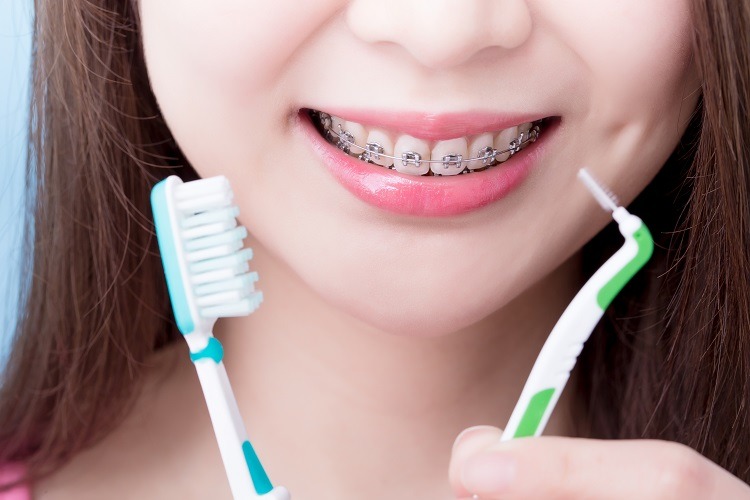
For those with periodontal issues or who wear braces, Periodontal Brushes are of great significance. Dentists also call them as interproximal or interdental brushes.
Periodontal brushes are small, specialized brushes designed to clean the spaces between teeth and around dental restorations like crowns or bridges, and orthodontic appliances. Unlike traditional toothbrushes, these brushes can effectively reach areas where plaque tends to accumulate, particularly in patients with gum disease or receding gums.
Periodontal brushes are available in various sizes as well as shapes. Choosing the correct size is very important; it should fit snugly but comfortably between the teeth. Most people find a cylindrical or cone-shaped brush helpful. Your dentist or dental hygienist can help you pick the best size and type for your needs.
The colors on these brushes indicate the size of the brush. Different colors correspond to different diameters of the bristles and the wire core, allowing users to easily identify and select the appropriate size for their interdental spaces.
Following is a guide to the colors and their corresponding sizes:
- Pink: Very small, 0.4 mm
- Orange: Small, 0.45 mm
- Red: Small-medium, 0.5 mm
- Blue: Medium, 0.6 mm
- Yellow: Medium-large, typically 0.7 mm
- Green: Large, 0.8 mm
- Purple: Larger, 1.1 mm
- Grey: Extra large, 1.3 mm
- Black: Extra large, typically 1.5 mm
How to Use a Periodontal Brush
- Select the Right Size: The brush should fit comfortably between your teeth.
- Insert Gently: Place the brush between your teeth and gently move it back and forth. Avoid forcing it in.
- Rinse and Repeat: Rinse the brush after use and move to the next space.
Consistency is the key. Daily use of Periodontal Brushes can make a difference in your gum health significantly.
Benefits of using Periodontal Brush?
- Effective Plaque Removal: They dislodge plaque and also food debris from the places where floss might struggle to reach.
- Gum Tissue stimulation: These brushes stimulate the gums, improving blood circulation and consequently reducing the risk of gum disease.
- Support for Dental Appliances: If you have braces, implants, or bridges, periodontal brushes can clean around them better than a standard toothbrush.
Even if you don’t have these issues, incorporating a periodontal brush into your routine can be a proactive step in preventing gum disease.
Read our full disclaimer.