Bad breath is a common yet socially distressing problem affecting people of all ages. Though it is often dismissed as a minor hygiene issue, persistent bad breath reflects deeper imbalances within the oral ecosystem. In recent years, growing scientific interest has shifted toward probiotics – the beneficial microorganisms that help restore microbial balance. Among them, Lactobacillus has emerged as a promising natural ally in combating halitosis.
Cause of Bad Breath
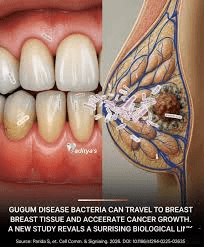
The oral cavity is home to more than 700 species of bacteria. Under healthy conditions, a balanced microbial community exists, where beneficial bacteria limit the overgrowth of harmful ones. However, factors such as poor oral hygiene, dry mouth, gum disease, smoking, stress and systemic illness can disrupt this balance.
Bad breath primarily results from volatile sulfur compounds (VSCs) such as hydrogen sulfide, methyl mercaptan and dimethyl sulfide. These compounds are produced when disease-causing microorganisms that grow in oxygen-deprived environments break down proteins and amino acids in the mouth, especially on the upper surface of tongue and within gum pockets. Simply masking odor with mouthwashes or mints does not address the root cause – the microbial imbalance.
What is Lactobacillus?
Lactobacillus has various strains. It is naturally found in fermented foods such as yogurt, kefir and certain cheeses. It also inhabits the human gastrointestinal tract and oral cavity. This probiotic strain is well known for its ability to survive harsh environments, adhere to mucosal surfaces, and exert antimicrobial effects against pathogenic bacteria. These properties make Lcatobcillus paracasei particularly suitable for oral health applications.
How Lactobacillus reduces Bad Breath?
- Competitive Inhibition of Odor-Causing Bacteria
It competes with harmful bacteria such as Porphyromonas gingivalis, Fusobacterium nucleatum, and Prevotella intermediathat produce odor-causing Volatile SulfurCompounds (VSC). By occupying adhesion sites on oral tissues, Lactobacillus prevents these pathogens from colonizing and proliferating. - Reduction in Volatile Sulfur Compounds
Studies have demonstrated that Lactobacillisignificantly reduce VSC levels in saliva.They modify the oral environment by lowering pH and interfering with sulfur metabolism, thereby suppressing the biochemical pathways responsible for foul odor production. - Production of Antimicrobial Substances
Theyproduce bacteriocins, hydrogen peroxide and organic acids that directly inhibit odor-causing microorganisms. These substances act selectively, targeting harmful bacteria while sparing beneficial species. - Modulation of Oral Biofilm
Bad breath–associated bacteria often reside within structured biofilms on the tongue and teeth. Lactobacillusparacaseidisrupts biofilm formation, making pathogenic bacteria more susceptible to natural cleansing mechanisms and routine oral hygiene practices. - Anti-inflammatory Effects
Inflammation in periodontal tissues contributes to tissue breakdown and increased protein substrates for bacterial metabolism. Lactobacillushas been shown to modulate immune responses, reducing gingival inflammation and indirectly limiting halitosis.
Clinical evidence supporting its role
Clinical trials evaluating oral probiotics have shown encouraging results. Subjects using lozenges, chewing gums or mouth rinses containing Lactobacillus reported a noticeable reduction in bad breath within weeks. Objective measurements using halimeters confirmed reduced VSC concentrations, while subjective assessments reflected improved social confidence and oral comfort.
Importantly, these benefits were more sustained compared to conventional antiseptic mouthwashes, which may temporarily reduce bacteria but also disrupt beneficial flora, often leading to rebound halitosis.
Merits over conventional treatments
Traditional approaches to halitosis include mouthwashes, tongue scraping, and antibiotics. While helpful, these methods have limitations. Alcohol-based mouthwashes can cause dryness, worsening bad breath over time, and antibiotics risk resistance and microbial imbalance.
In contrast, Lactobacilli offer a biological and sustainable solution. Instead of killing bacteria indiscriminately, it restores microbial harmony, addressing the root cause of halitosis rather than merely masking symptoms.
How to incorporate Lcatobacilli paracasei for oral health?
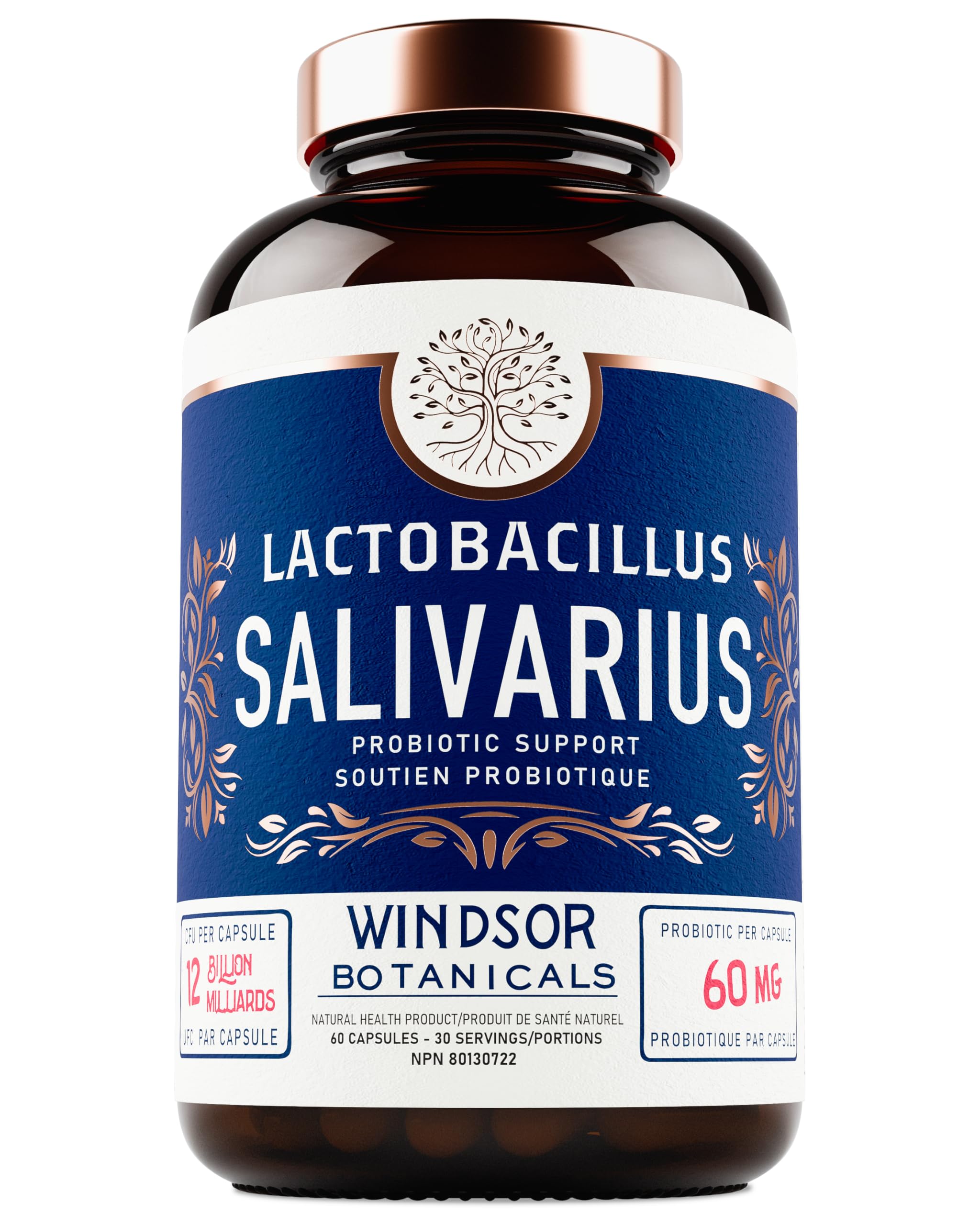
Lactobacillus paracasei is available in various probiotic formulations, including oral lozenges, tablets, chewing gums and probiotic-rich dairy products. For best results, these should be used as an adjunct to proper oral hygiene; regular brushing, flossing, tongue cleaning and professional dental care.
Consistency is key, as probiotics require time to colonize and exert their beneficial effects. Patients with chronic halitosis may particularly benefit from long-term use under professional guidance. Embracing probiotic-based strategies, dentistry moves closer to holistic, patient-friendly solutions that are effective, safe and sustainable.
Read our full disclaimer.