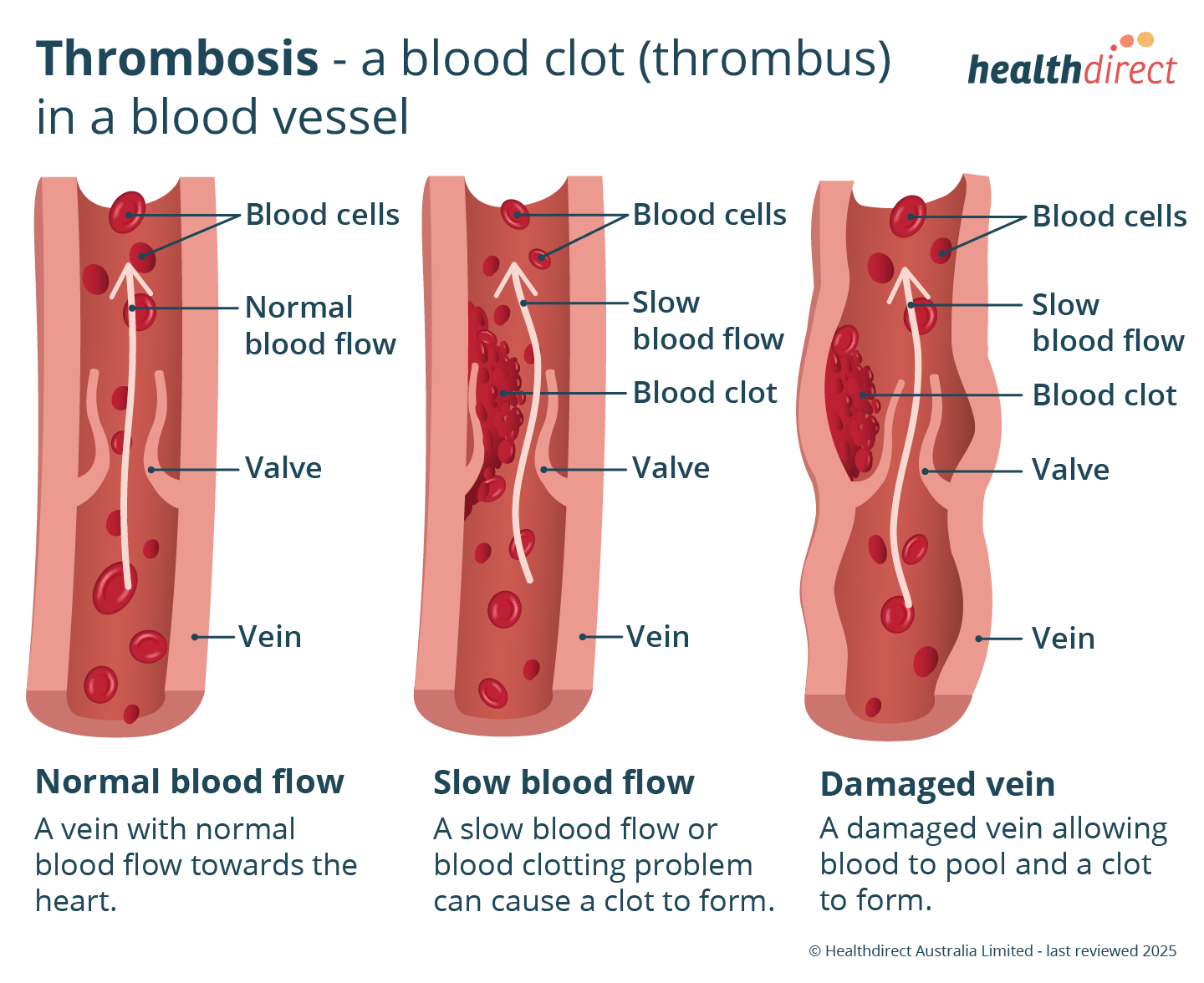
Hypercoagulability is thickening of blood. It happens when blood becomes more viscous or has an increased tendency to form clots.
Causes of Hypercoagulability
Dehydration – less plasma makes blood more concentrated
Hypertension
High red blood cell count (Polycythemia)
Hyperlipidemia
Diabetes mellitus
Obesity
Excessive mental stress
Smoking – increases clotting tendency
Aging – blood tends to clot more easily with age
Certain medications (e.g., oral contraceptives, hormone therapy)
Cancer and some blood disorders
Pregnancy
Sedentary lifestyle
Prolonged immobility
Symptoms of Blood Thickening
- Frequent Headaches: Thickened blood flows more slowly, potentially leading to reduced oxygen delivery to the brain, causing headaches.
- Dizziness or Lightheadedness: This may be due to decreased oxygenation or blood flow.
- Fatigue: Slow blood flow reduces oxygen and nutrient delivery, which can result in persistent tiredness.
- Shortness of Breath: Especially during activities, due to reduced oxygen reaching tissues.
- Blurred Vision: Thickened blood can impact circulation to the eyes, causing vision problems.
- Muscle Cramps: Due to poor circulation, especially in the limbs.
- Numbness or Tingling: Slower circulation might cause a “pins and needles” sensation, especially in extremities.
Potential Hazards of Hypercoagulability
- Increased Risk of Blood Clots: Thick blood can easily form clots, which may block blood vessels. Clots in arteries or veins can lead to life-threatening conditions.
- Stroke: A blood clot traveling to the brain can block oxygen flow, causing a stroke.
- Heart Attack: If a clot blocks blood flow to the heart, it can cause a heart attack.
- Pulmonary Embolism: A clot traveling to the lungs can cause severe respiratory issues, which can be fatal.
- Deep Vein Thrombosis: Clots in the deep veins of the legs or arms can cause pain and swelling and may lead to pulmonary embolism if a clot breaks free.
Effects on Oro-Dental Health
Blood thickening can have significant effects on oral and dental health due to reduced circulation, higher risk of infection and potential for delayed healing. Here are some specific impacts:
- Delayed Wound Healing: Thickened blood can impair circulation, reducing the delivery of oxygen and nutrients to the gums and surrounding tissues. This delay in healing is especially relevant after oral surgeries, tooth extractions, or injuries.
- Increased Risk of Gum Disease: Poor blood flow may weaken gum tissue, making it more susceptible to infections and conditions like gingivitis and periodontitis. Chronic inflammation in the gums can further complicate clotting issues.
- Higher Risk of Postoperative Complications: If a patient requires oral surgery, the thickened blood increases the likelihood of developing clots, which could lead to thrombosis. It also complicates bleeding control during and after procedures.
- Potential for Dry Mouth: Poor circulation sometimes affect salivary gland function, which can lead to dry mouth. This reduction in saliva flow allows bacteria to thrive, increasing the risk of cavities as well as bad breath and gum disease.
- Tooth Sensitivity and Pain: Reduced blood flow to the roots of teeth and surrounding nerves may increase tooth sensitivity. It subsequently causes pain, as oxygenation and nutrient supply are compromised.
- Bone Health Concerns: Chronic thickening can potentially reduce blood flow to the jawbone. It as a result impacts bone health and increasing susceptibility to bone loss, which can affect tooth stability.
Treatment
It focuses on reducing the risk of abnormal clot formation and managing the underlying cause. It includes the following components:
- Treatingthe underlying cause
Correction of dehydration with adequate oral or IV fluids
Controlling diabetes, blood pressure, blood fat and cholesterol
Treating malignancy or chronic infection
Avoiding smoking and also excessive alcohol
Discontinuing offending medicines (e.g., oral contraceptives) if possible
2. Lifestyle modification
Regular physical activity
Weight reduction
Diet low in saturated fats as well as refined sugars
3. Anticoagulant therapy
4. Antiplatelet therapy
- Preventive Measures and Care
To manage these risks, individuals with blood thickening concerns are advised to maintain meticulous oral hygiene, attend regular dental checkups, stay hydrated and discuss anticoagulant therapy with their dentist before any procedures.
Read our full disclaimer.