Tooth decay, commonly known as cavities, is a gradual process. Reversing tooth decay is quite possible. Understanding the process of tooth decay is necessary to preventing and potentially reversing it, especially in the early stages.
Early Stage: It starts with the loss of minerals like calcium from the tooth enamel. The calcium loss appears as a small white spot on the tooth surface. In this early stage, the damage can be reversed with good oral hygiene practices. Moreover, fluoride treatments by a dentist also reverses the deay process.
Cavity Formation: If left untreated, the mineral loss progresses, and a cavity in the tooth forms. Once a cavity forms, it becomes irreversible and requires a dentist’s intervention, usually a filling, to repair the damage.
However, in the early stages, when the decay is limited to mineral loss from enamel of the tooth, you can take steps to stop and potentially reverse the process naturally.
Optimize Oral Hygiene
Brush twice daily: Use fluoride toothpaste to strengthen enamel and protect against further decay.
Floss daily: Remove food particles and plaque between teeth, as well as from the inaccessable areas by a tooh brush
Rinse your mouth: Use hot salt water or a fluoride mouthwash.
Diet and Nutrition
Limit sugar and refined carbs: These feed cavity-causing bacteria in your mouth. Limiting them significantly reverses decay.
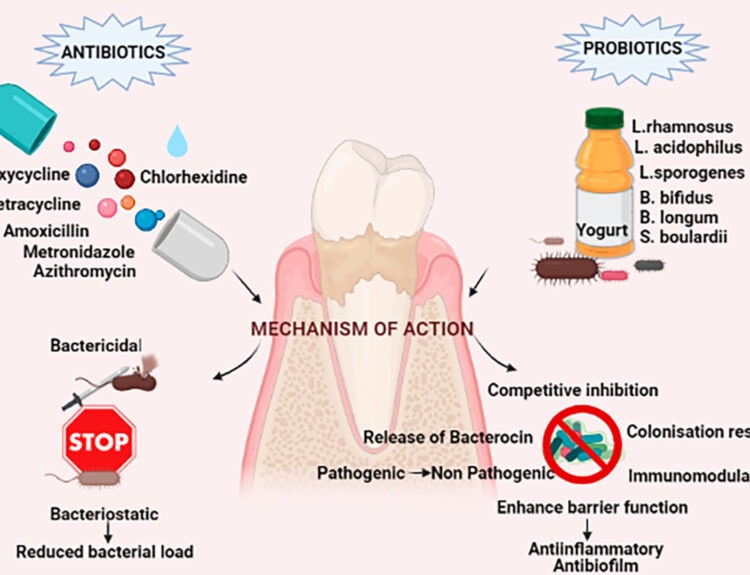
Increase calcium and phosphate intake: Include foods like dairy products, leafy greens, and almonds to strengthen teeth. Cheese and yogurt are high in calcium and casein, which strengthen enamel. On the other hand, avoid acidic beverages like soda, citrus juices, and alcohol.
Consume vitamin-rich foods:
-
- Vitamin D: Essential for calcium absorption (get sunlight exposure or eat fortified foods like fatty fish).
- Vitamin K2: Found in fermented foods, as well as in egg yolks. It helps calcium bind to teeth.
- Vitamin C: Supports gum health and reduces inflammation (found in citrus fruits, bell peppers, and berries)
Maintain Saliva Production
Saliva plays two crucial roles in keeping your teeth strong:
Neutralizing Acids: When you eat sugary or acidic foods, bacteria in your mouth produce acids. These acids attack the enamel causing tiny cavities. Saliva acts like a buffer, neutralizing these acids and preventing them from doing too much damage.
Remineralizing Teeth: Saliva is rich in minerals like calcium and phosphate. When your teeth lose minerals (demineralization), saliva helps to replace them (remineralization), strengthening the enamel and preventing cavities.
Chew sugar-free gum: Preferably one containing xylitol, which reduces cavity-causing bacteria.
Eat crunchy fruits and vegetables: Foods like apples, carrots, and celery stimulate saliva flow.
Tea tree oil: Diluted tea tree oil has antibacterial benefits (use sparingly in a rinse).
.
Read our full disclaimer.