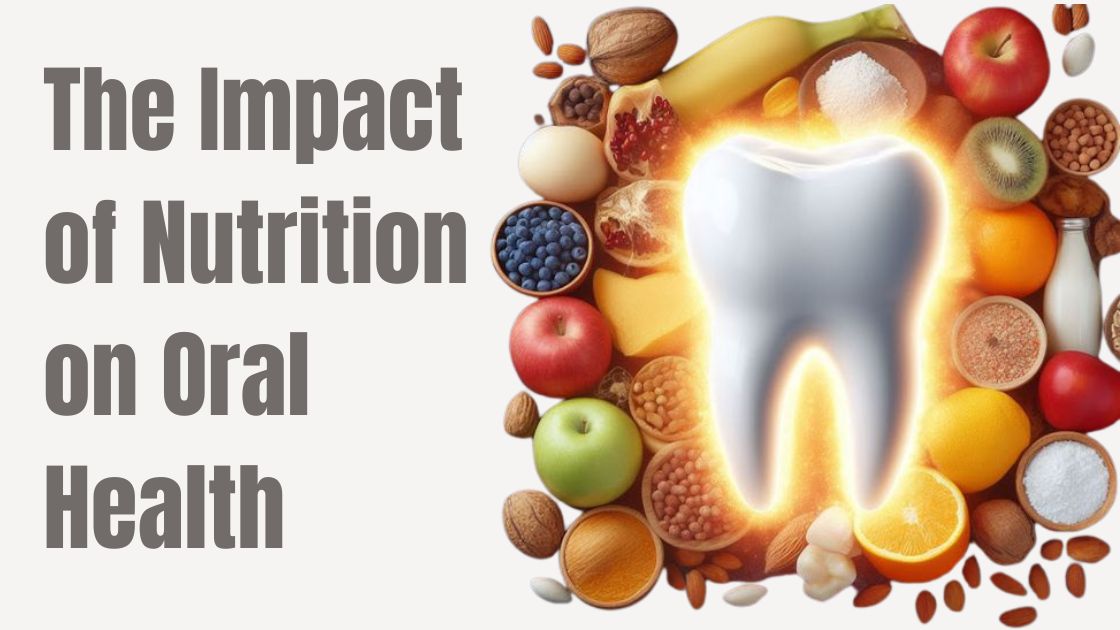
We have all heard the warnings: “Don’t eat too much candy, or your teeth will rot!” or “Drink your milk to keep your teeth strong.” These expressions are rooted in a grain of truth but they oversimplify reality. The relationship between what we eat and the health of our mouth is far more complex than the simple legend suggests.
In the age of viral fitness trends and “superfood” marketing, it is easy to fall for nutritional myth that may actually be sabotaging your oral cavity. People, across the globe, firmly believe these misconceptions and continue to follow them in daily life. However, scientific research has shown that these beliefs are largely incorrect. Some of the common nutritional myth related to teeth are outlined below.
Myth 1:Sugar is the sole cause of tooth decay and if you avoid candy and soda, you won’t get cavities.
Sugar is a primary fuel for decay, but it isn’t the only one. It is caused by acid-producing bacteria, primarily Streptococcus mutans, that live in our mouth. These bacteria feast on carbohydrates which include bread, crackers, pasta and even “healthy” starches like potatoes. The acid, produced by bacteria, lowers the pH level in our mouth, causing the minerals like calcium of teeth enamel to dissolve. It is a process called demineralization.
This nutritional myth is contradicted by the fact that amount of sugar we eat is less important than its frequency and texture. Sipping a sugary coffee over four hours is significantly more damaging than eating a chocolate bar in five minutes. “Sticky” starches, like potato chips, stay in the crevices of teeth longer than sugar, providing a long-term buffet for bacteria.
Myth 2: Fruit Juice is a “safe” alternative to soda since it comes from fruit.
Scientific research strongly negates the nutritional myth. From the perspective of teeth enamel, 100% orange juice and a cola are strikingly similar. Both are highly acidic and packed with “free sugars.”
Whole fruit contains fiber which requires chewing. It stimulates saliva production and is a natural defense against acid. Juicing removes that fiber and concentrates the sugar. Citrus juices have a very low pH, which chemically softens the enamel. Scientific studies reveal that frequent consumption of fruit juice leads to dental erosion. It is a permanent thinning of the enamel that leads to sensitivity and yellowing. If you drink juice many times a day,rinse your mouth with water immediately afterward to help neutralize the pH.
Myth 3: Pregnancy removes Calcium from the mother’s teeth. There is a misconception that a fetus leaches calcium from the mother’s teeth to build its own bones.
This is a persistent old wives’ tale with no basis in human biology. Once your teeth are fully formed and erupted, the calcium in them is “locked.” Unlike your bones, which serve as a metabolic reservoir for calcium, your teeth do not give up minerals to the rest of the body. Pregnant women experience dental issues due to;
Hormonal Changes: Increased progesterone makes gums more sensitive to plaque, leading to “pregnancy gingivitis.”
Morning Sickness: Gastric acid from frequent vomiting can severely erode enamel.
Dietary Shifts: Cravings for sugary or acidic foods, combined with fatigue-related lapses in hygiene, generally lead to tooth decay.
Myth 4: Sparkling water is as harmful as Soda.
This is a half-truth. Carbonation is created by dissolving carbon dioxide in water, which creates carbonic acid. However, plain sparkling water is only slightly acidic and is generally considered “low risk” for enamel erosion compared to soda or juice.
The danger arises when citrus flavors, lemon, lime, grapefruit, are added. These flavors often utilize citric acid, which significantly drops the pH level. If you are drinking plain, unflavored sparkling water, your enamel is most likely safe. If you prefer the flavored varieties, treat them like a treat rather than a water replacement.
Myth 5: If your teeth are blindingly white, you must have great nutrition and hygiene.
Whiteness is an aesthetic trait, not a clinical marker of health. The natural color of healthy teeth varies based on the thickness of the enamel and the color of the dentin (the layer beneath the enamel).
In fact, some highly effective whitening treatments, like charcoal or lemon juice, can actually be detrimental.
Charcoal: It is too abrasive, essentially “sanding” away the enamel to reveal a whiter layer, but leaving the tooth vulnerable to sensitivity and decay.
Lemon Juice/Vinegar: Using acids to “bleach” teeth is a fast track to permanent enamel loss.
A person can have perfectly white teeth and still suffer from advanced gum disease or hidden decay between the teeth.
Myth 6: Diet Soda is “Tooth-Safe” Because it’s Sugar-Free. Since there is no sugar for bacteria to eat, diet soda won’t cause decay.
While diet soda doesn’t feed bacteria, it still attacks teeth directly through chemical erosion. Most diet sodas contain phosphoric, citric, or tartaric acid. You might not get a traditional “cavity” from a sugar-free cola, but you can certainly erode your enamel until the teeth become thin and transparent and look ugly.
Role of saliva to keep your mouth healthy
If the myths have led us astray, what does the evidence actually support? Clinical nutrition for the oral cavity focuses on three pillars:
Power of saliva
Saliva is primary immune system of a mouth. It contains calcium and phosphate ions that remineralizes your teeth and neutralizes the acid. To boost saliva, stay hydrated and consider chewing sugar-free gum containing Xylitol, a sugar alcohol that has been proven to inhibit the growth of cavity-causing bacteria.
Micronutrients Beyond Calcium
Though calcium is vital during tooth development but Vitamin D is essential for the body to actually absorb that calcium. Vitamin C is crucial for collagen synthesis, which keeps your gums and tooth supporting ligaments firm and attached to your teeth.
“Wait 30 Minutes” Rule
Research studies show that after eating something acidic, your enamel is temporarily softened. If you brush immediately, you are essentially brushing the softened minerals right off your teeth. Therefore to avoid it, wait at least 30–60 minutes after eating before brushing to allow your saliva to re-harden the enamel.
References
Moynihan P, Kelly S. Effect on caries of restricting sugars intake: systematic review to inform WHO guidelines. J Dental Research. 2014;93(1):8–18. doi:10.1177/0022034513508954.
Sheiham A, James WPT. A reappraisal of the quantitative relationship between sugar intake and dental caries: the need for new criteria for developing goals for sugar intake. BMC Public Health. 2014;14:863. doi:10.1186/1471-2458-14-863.
Read our full disclaimer.