Modern dentistry focuses not only on replacing lost teeth but also on preserving natural teeth whenever possible. One such conservative treatment option is bicuspidization, a procedure that can save severely damaged lower molars and restore their function. Bicuspidization is particularly useful when a molar has extensive root furcation involvement but still possesses sufficient healthy root structure to support function.
What is Bicuspidization?
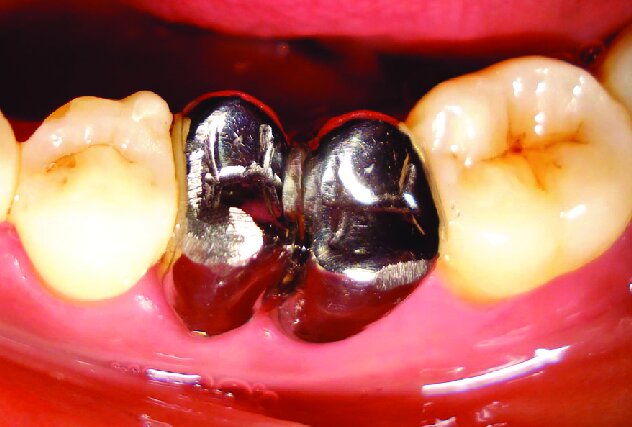
Bicuspidization is a surgical dental procedure through which a dentist treats compromised lower molars. He divides it into two separate sections. It creates two independent tooth units that function similarly to premolars (bicuspids). Dentists most commonly perform it on lower first and second molars because they typically have two well-separated roots. The primary objective of bicuspidization is to preserve a tooth that would otherwise require extraction due to advanced periodontal disease, root damage, or furcation involvement.
Indications for Bicuspidization
Bicuspidization is not suitable for every molar. Careful clinical and radiographic evaluation is essential before selecting this treatment. Common indications include:
- Grade III furcation involvement where periodontal destruction has affected the area between the roots but individual roots remain stable.
- Severe bone loss confined to the furcation area with adequate bone support around the individual roots.
- Root fractures that affect only one portion of the tooth, allowing the remaining root.
- Extensive caries in the furcation region that dentist can not manage by conventional restorative procedures.
- Endodontically treated molars with healthy and adequately separated roots.
- Cases where extraction may lead to functional or esthetic problems and the patient wishes to preserve the natural tooth.
Contraindications
Dentits don’t perform Bicuspidization when:
- Roots are too close together.
- Severe mobility affects the tooth.
- Inadequate bone support surrounds the remaining roots.
- Poor oral hygiene may compromise long-term success.
- Non-restorable crown structure remains after separation.
Procedure of Bicuspidization
The procedure generally involves both endodontic and periodontal treatment.
Root Canal Treatment: Since the tooth will be divided into two independent units, root canal therapy is usually completed before surgery to eliminate infection and ensure long-term stability.
Surgical Separation: Under local anesthesia, a flap may be reflected to expose the furcation area of the root. Using a surgical drill, the molar is carefully sectioned through the crown and furcation, separating the roots into two distinct units.
Contouring and Finishing: The newly created surfaces are smoothed to eliminate plaque-retentive areas. Any residual granulation tissue is removed and the surgical site is cleaned thoroughly.
Restoration: Following healing, dentist retore each section individually. He/she place separate crowns to provide strength, improve function and facilitate oral hygiene maintenance.
Maintenance: Regular periodontal follow-up and meticulous oral hygiene are essential. Dentits instruct their patients on proper brushing and interdental cleaning techniques to maintain the health of the separated roots.
Benefits of Bicuspidization
Bicuspidization offers several advantages over extraction and tooth replacement:
Preservation of Natural Tooth Structure: The procedure allows retention of natural roots and supporting bone, which helps maintain normal chewing efficiency and proprioception.
Cost-Effective Alternative: Compared with dental implants or fixed prostheses, bicuspidization may be a more economical option for suitable patients.
Improved Periodontal Health: By eliminating the root furcation defect, the procedure creates areas that are easier to clean, reducing plaque accumulation and periodontal disease progression.
Functional Stability: When properly restored, the separated roots function effectively as individual tooth and withstand normal chewing forces.
Maintenance of Jaw Bone: Retaining natural roots helps preserve surrounding bone and prevents the bone resorption commonly associated with tooth extraction.
References
Devi WP, Chirom B, Mushahary T. Stress control and bicuspidization. Int J Community Med Public Health 2023;10(11):4444-
Abu-Hussein M, Watted N, Abdulgani A. Bicuspidization of Mandibular Molar; A Clinical Review; Case Report. J Dental and Medical Sciences,2015; 14(6 ): 77-85
Read our full disclaimer.