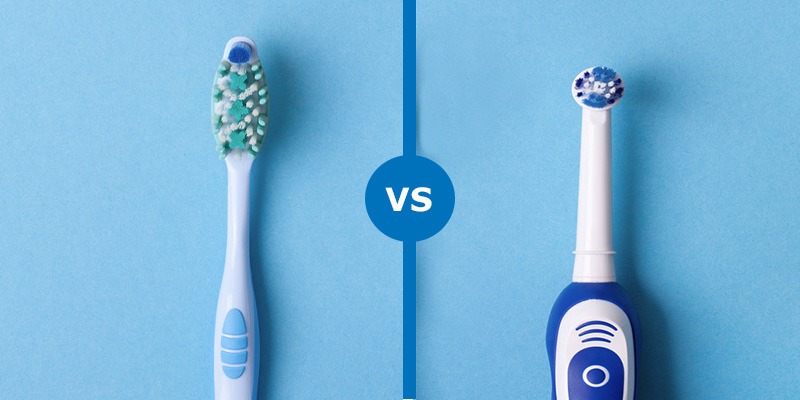
Maintaining good oral hygiene is essential for healthy teeth and gums. Though manual toothbrushes have been used effectively for decades, technological advancements have introduced electric toothbrushes. They are becoming increasingly popular worldwide. Electric toothbrushes are designed to make tooth cleaning easier, more efficient and more effective. They can be particularly beneficial for children, elderly individuals and people with limited hand dexterity.
What is an Electric Toothbrush?
An electric toothbrush is a powered device that uses battery-operated or rechargeable mechanisms to move the brush head automatically. With manual toothbrushes, brushing movements are entirely controlled by the user. But electric toothbrushes generate rapid oscillating, rotating, vibrating or sonic motions that help remove plaque and food debris from the teeth and gumline.
Types of Electric Toothbrushes
Oscillating-Rotating Toothbrushes
These toothbrushes have small round brush heads that rotate back and forth at high speed. They are highly effective in removing plaque and are among the most commonly used electric toothbrushes.
Sonic Toothbrushes
Sonic toothbrushes produce high-frequency vibrations, exceeding 30,000 brush strokes per minute. The rapid movement creates fluid dynamics that help clean areas beyond where the bristles physically touch, including spaces between teeth.
Ultrasonic Toothbrushes
These advanced toothbrushes use ultrasonic waves, combined with sonic vibrations. They disrupt dental plaque and bacteria. They are generally more expensive and less commonly used.
Battery-Powered Toothbrushes
These are simpler electric toothbrushes powered by disposable batteries. They are less expensive and serve as an entry-level alternative to rechargeable models.
Rechargeable Electric Toothbrushes
These toothbrushes come with charging stations and include advanced features such as timers, pressure sensors, multiple brushing modes and smartphone connectivity.
Advantages
Superior Plaque Removal
Numerous studies show that electric toothbrushes generally remove more plaque than manual toothbrushes when used correctly. This can contribute to healthier gums and reduced risk of tooth decay.
Built-In Timers
Many electric toothbrushes include timers that ensure users brush for the recommended two minutes. Some models even divide brushing time equally among different areas of the mouth.
Easier to Use
The automatic brushing motion requires less manual effort. This makes electric toothbrushes especially beneficial for children, elderly individuals and people with physical disabilities.
Pressure Sensors
Advanced models include pressure sensors that alert users when they are brushing too hard, helping prevent gum recession and enamel wear.
Improved Compliance
Many users find electric toothbrushes more enjoyable to use, leading to more consistent and effective brushing habits.
Better Cleaning Around Orthodontic Appliances
Patients with braces, retainers or other dental appliances find electric toothbrushes more effective at cleaning difficult-to-reach areas. it is better for them to use electric brush rather than manual one.
Disadvantages
Higher Cost
They are significantly more expensive than manual toothbrushes. In addition to the initial purchase cost, replacement brush heads must be purchased regularly.
Dependence on Power Source
Rechargeable models require periodic charging, while battery-operated models need battery replacements. A lack of power can make them inconvenient during travel.
Potential for Over-Reliance
Some users may believe that simply owning an electric toothbrush guarantees excellent oral hygiene. Nonetheless, proper brushing technique and regular dental visits remain essential.
Noise and Vibration
Certain individuals may find the sound or vibration uncomfortable, particularly during the initial period of use.
Environmental Concerns
ET contain electronic components and batteries that may contribute to environmental waste if not disposed of responsibly.
Common Myths
Many people believe that these toothbrushes should not be used by:
- Patients with crowns
- Patients with bridges
- Denture wearers
- People with braces
- Patients with dental implants
In reality, electric toothbrushes are better for these individuals because they can improve plaque control around restorations and orthodontic appliances. It is, therefore, etter form them to use electric brushes instead of manual one.
People Who May Need Caution or Professional Advice
Individuals with Severe Tooth Mobility
Patients suffering from advanced gum disease with very loose teeth should consult their dentist before using an electric toothbrush. Excessive vibration may cause discomfort, although it does not usually worsen tooth mobility.
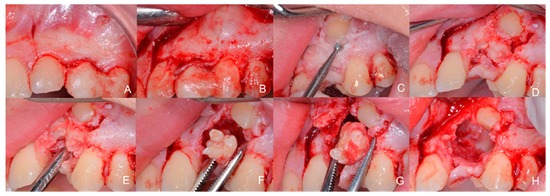
Immediately After Oral Surgery
Patients who have recently undergone:
- Tooth extraction
- Gum surgery
- Dental implant placement
- Bone grafting
They should be advised to avoid these toothbrushes around the surgical area for a few days or weeks. In addition, they should follow their dentist’s instructions.
- Patients with Painful Oral Conditions
People experiencing:
- Severe oral ulcers
- Acute gum infections
- Painful mucosal lesions
They may find the vibration uncomfortable until healing occurs.
- Individuals with Sensory Processing Disorders
Some children or adults with autism spectrum disorders or sensory sensitivities may dislike the sound, vibration, or sensation produced by electric toothbrushes. As a matter of fact, it is not an absolute contraindicaion. They can still use it if sound doesn’t pose issues.
- Very Young Children
Children under 3 years of age should use only age-appropriate electric toothbrushes under parental supervision. Adult-sized electric toothbrushes are generally unsuitable.
- Patients with Certain Medical Devices (Rare)
Modern electric toothbrushes are generally considered safe for people with pacemakers and implanted cardiac devices. However, patients with unusual implanted electronic devices should consult their physician and review the manufacturer’s recommendations.
Are Electric Toothbrushes Better Than Manual Toothbrushes?
Both electric and manual toothbrushes can effectively clean teeth when used properly. However, research generally indicates that electric toothbrushes provide modest but significant improvements in plaque removal and gum health. For individuals who struggle with brushing technique, have limited dexterity, wear braces, or desire additional cleaning assistance, an electric toothbrush may offer substantial benefits.
References
Thomassen TMJA, Van der Weijden FGA, Slot DE.
The efficacy of powered toothbrushes: A systematic review and network meta-analysis. Int J Dental Hygiene. 2022;20(1):3-17.
DOI: 10.1111/idh.12563
Grender J, Adam R, Zou Y.
The effects of oscillating-rotating electric toothbrushes on plaque and gingival health: A meta-analysis. American Journal of Dentistry. 2020;33(1):3-11.
Elkerbout TA, Slot DE, Van der Weijden GA.
The Effect of Different Electric Toothbrush Technologies on Interdental Plaque Removal: A Systematic Review with a Meta-Analysis.Dentistry Journal. 2024;12(5):145.
Read our full disclaimer.