The human body is an interconnected system in which oral health and general health are deeply associated. In recent years, scientists have discovered that the oral microorganisms act as an important early warning system for many systemic diseases. Changes in the balance of oral microorganisms can signal the onset of cardiovascular diseases, diabetes, cognitive decline, arthritis, adverse pregnancy outcomes and several other medical conditions. The mouth is therefore not merely an organ for chewing and speaking, but also a mirror reflecting the health of the entire body. Hence, many research studies confirm the link between oral health and systemic diseases.
A healthy oral microbiome contains hundreds of species of beneficial microorganisms that coexist in harmony. These microbes help maintain oral tissues, regulate inflammation and protect against harmful microbes. However, poor oral hygiene, smoking, unhealthy diet, stress, systemic illness and certain medications can disturb this balance, leading to a condition known as dysbiosis. When harmful bacteria become dominant, inflammation develops in the gums and oral tissues, producing signals that may indicate broader systemic problems. Following paragraphs briefly describe association of oral health with systemic diseases.
Link with Heart Diseases
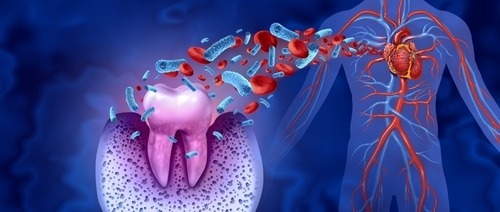
One of the most significant connections exists between the oral microbiome and heart diseases. Studies vividly show that bacteria associated with gums disease can enter the bloodstream through inflamed gums. Once in circulation, these bacteria contribute to inflammation in blood vessels and promote the formation of arterial plaques. Consequently, patients with chronic gum disease have a higher risk of hypertension, atherosclerosis, heart attack and stroke. Bleeding gums, persistent bad breath and gum inflammation may therefore serve as early warning signs of cardiovascular issues long before major symptoms appear.
Link with Diabetes
The oral microbiome also has a strong relationship with diabetes mellitus. Diabetes weakens the human body immune response and creates an environment favorable for bacterial growth, increasing susceptibility to gum disease. At the same time, severe gum inflammation can worsen blood sugar control by increasing systemic inflammatory mediators. This creates a two-way relationship in which diabetes and gum disease aggravate each other. The individual suffer from dry mouth, delayed healing, recurrent oral infections before a clinician formally diagnoses diabetes. Thus, the oral cavity can provide valuable clues for early detection and management of metabolic disorders.
Link with Mental Health
The relationship between oral microbes and cognitive health is another emerging area of research. Scientists have identified oral bacteria in the brains of patients suffering from Alzheimer’s disease and other neurodegenerative disorders. Chronic oral inflammation may trigger the release of inflammatory chemicals that travel to the brain and contribute to neuronal damage. Tooth loss and advanced gum disease also have an associattion with memory decline and reduced cognitive function in older adults. These findings suggest that maintaining oral hygiene may help preserve brain health and potentially reduce the risk of dementia.
Link with Joint Pain
Similarly, rheumatoid arthritis and other inflammatory joint diseases have a linke with the oral microbiome. Certain gum bacteria may stimulate abnormal immune responses that attack the own tissues of the body. Research indicates that patients with severe gum disease experience worse arthritis symptoms, while gum treatment improves joint health. The chronic inflammation originating from infected gums may therefore act as a trigger or amplifier for autoimmune conditions.
Link with Pregnancy Consequences
Bad oral health also influences Pregnancy outcomes. Pregnant women with gum disease have been found to have a higher risk of preterm birth, low birth weight babies and preeclampsia. Harmful oral bacteria and inflammatory mediators can enter the bloodstream and affect the fetal development. Hormonal changes during pregnancy may further worsen gum inflammation, making oral care particularly important during this period. Regular dental checkups and gum health maintenance therefore contributes to healthier pregnancies and safer deliveries.
Link with Other Diseases
Beyond these conditions, the oral microbiome has been associated with respiratory diseases, gastrointestinal disorders, osteoporosis, kidney disease and even certain cancers. Harmful oral bacteria can be inhaled into the lungs, increasing the risk of pneumonia and chronic respiratory infections. Changes in salivary composition and microbial patterns may also help detect systemic diseases at an early stage. Researchers are now exploring saliva-based diagnostic tests that could identify markers for cancer, viral infections and metabolic disorders in a simple and non-invasive manner.
The concept of the oral microbiome as an early warning system highlights the importance of preventive dentistry and interdisciplinary healthcare. Dentists are increasingly becoming key contributors to early disease detection. Routine oral examinations may reveal systemic conditions before symptoms become severe enough for medical diagnosis. Maintaining good oral hygiene through regular brushing, flossing, healthy diet, hydration, and professional dental care can therefore improve not only oral health but overall wellbeing.
References
Sanz M, Del Castillo AM, Jepsen S, Gonzalez-Juanatey JR, D’Aiuto F, Bouchard P, Chapple I, Dietrich T, Gotsman I, Graziani F, Herrera D, Loos B, Madianos P, Michel JB, Perel P, Pieske B, Shapira L, Schechter M, Tonetti M, Vlachopoulos C, Wimmer G. (2020). Periodontitis and Cardiovascular Diseases. Consensus Report. Global Heart, 15(1), 1–28. https://doi.org/10.5334/gh.400
Chapple ILC, Genco R. (2013). Diabetes and periodontal diseases: consensus report of the Joint EFP/AAP Workshop on Periodontitis and Systemic Diseases. Journal of Periodontology, 84, S106–S112. https://doi.org/10.1902/jop.2013.1340011
de Molon RS, Rossa Jr.C, Thurlings RM, Cirelli JA, Koenders MI. (2019). Linkage of Periodontitis and Rheumatoid Arthritis: Current Evidence and Potential Biological Interactions. Int J Molecular Sci, 20(18), 4541. https://doi.org/10.3390/ijms20184541
Tiwari T, Kelly A, Randall CL, Tranby E, Franstve-Hawley J. (2022). Association Between Mental Health and Oral Health Status and Care Utilization. Frontiers in Oral Health, 2, 732882. https://doi.org/10.3389/froh.2021.732882
Machado V, Ferreira M, Lopes L, Mendes JJ, Botelho J. (2023). Adverse Pregnancy Outcomes and Maternal Periodontal Disease: An Overview on Meta-Analytic and Methodological Quality. J Clinical Medicine, 12(11), 3635. https://doi.org/10.3390/jcm12113635
Read our full disclaimer.