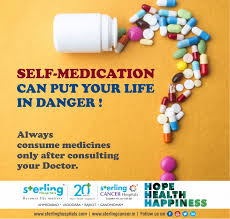
Self-medication has become a growing trend worldwide, especially in developing countries. It refers to the use of medicines without consulting a qualified healthcare professional. The consumers often rely on personal experience, advice from friends, or information from the internet. Generally, people turn to self-medication for quick relief, convenience, or to save money on doctor visits. This practice carries serious risks that are underestimated. Self-medication in dental ailments is also preferred by the suffering patients. To get relief from agony of pain, they consume some medcine and think that their problem is solved. As a matter for fact, they face bigger problem in future and have to pay higher cost of treatment.
One of the biggest dangers of self-medication is misdiagnosis. Though some symptoms seem quite minor but are early indication of underlying major problem. Headaches, fever, or stomach pain may actually be early signs of more serious health problems. Treating them with over-the-counter drugs without identifying the root cause can delay proper diagnosis and worsen the condition. Persistent headaches might signal hypertension or a neurological issue, but painkillers only provide temporary relief while masking the real problem.
Another major hazard is drug misuse and overuse. Many patients consume antibiotics without prescriptions and stop the medication as soon as symptoms subside. This misuse contributes to the global crisis of antibiotic resistance, where bacteria evolve and no longer respond to standard treatment. Similarly, the frequent use of painkillers and sedatives can lead to dependency, liver damage, kidney problems, or even addiction.
Self-medication also increases the risk of drug interactions and allergies. Combining multiple medicines without medical guidance can be harmful, particularly for people with chronic illnesses like diabetes, heart disease, or asthma. Inappropriate drug combinations can cause severe side effects or reduce the effectiveness of ongoing treatment. In some cases, allergic reactions from self-prescribed medicines can be life-threatening.
The rise of internet information and online pharmacies has worsened the issue. While easy access to health knowledge patients, it also encourages people to act as their own doctors. Unfortunately, not all sources provide reliable or accurate information, leading to harmful choices.
To prevent these hazards, it is important to promote awareness and responsible healthcare practices. People should understand that consulting a doctor is not just about getting a prescription—it is about receiving an accurate diagnosis, safe treatment, and proper follow-up care. Governments and health authorities should regulate the sale of prescription drugs, restrict antibiotics without proper approval, and run awareness campaigns to discourage misuse.
No doubt, self-medication may appear convenient and cost-saving but the hidden dangers outweigh its benefits. Responsible healthcare decisions, guided by medical professionals, are essential for long-term safety and well-being.
References
Montastruc JL, Bondon-Guitton E, Abadie D, Lacroix I, Berreni A, Pugnet G, Durrieu G, Sailler L, Giroud JP, Damase-Michel C, Montastruc F. Pharmacovigilance, risks and adverse effects of self-medication. Therapie. 2016 Apr;71(2):257-62. English, French. doi: 10.1016/j.therap.2016.02.012.
Ruiz ME. Risks of self-medication practices. Current Drug Safety, 2010;5(4):315–323. DOI: 10.2174/157488610792245966.
Read our full disclaimer.