
Modern research has shown that Root Canal Therapy (RCT) is not merely a procedure to relieve toothache but its benefits extend far beyond the mouth. In recent years, scientists have explored how untreated dental infections can increase the risk of cardiovascular diseases (CVD), and how timely RCT may play an important role in lowering that risk.
Association Between Oral Health and Heart Disease
Although the mouth and heart seem unrelated, the two are closely connected through the bloodstream. The oral cavity houses millions of bacteria. When a tooth becomes severely decayed or infected, bacteria can reach deep into the dental pulp and even enter the bloodstream.
Research shows that chronic oral infections can trigger inflammation throughout the body. This systemic inflammation is a known contributor to many cardiovascular conditions, including; Hypertension, Atherosclerosis (plaque buildup in arteries), Endocarditis (infection of the heart lining), Heart attack and Stroke.
When bacteria spread from an infected tooth, they can attach to damaged areas of the heart, forming bacterial colonies. These colonies can cause or worsen heart disease, particularly in individuals with pre-existing heart conditions.
What Happens When a Dental Infection Is Left Untreated?
A tooth infection does not remain limited to the tooth itself. Without treatment, bacteria multiply, spread into the jawbone, and eventually enter the bloodstream. This leads to:
1. Chronic inflammation
The body continuously fights the infection, releasing inflammatory chemicals. Over the period of time, these chemicals damage blood vessels and contribute to plaque formation.
2. Bacteremia
Routine activities such as chewing or brushing can push bacteria into the bloodstream when a tooth is infected. Certain bacteria from dental infections, such as Streptococcus species, are known to cause endocarditis, especially in patients with prosthetic valves, congenital heart disease, or compromised immunity.
3. Increased strain on the cardiovascular system
Systemic inflammation and bacterial toxins increase the workload on the heart, potentially contributing to long-term damage.
This is where root canal treatment becomes important; not only to save the tooth but also to stop the chain reaction of inflammation and infection that affects the rest of the body. This is the cardioprotective role of RCT.
Cardioprotective Role of RCT
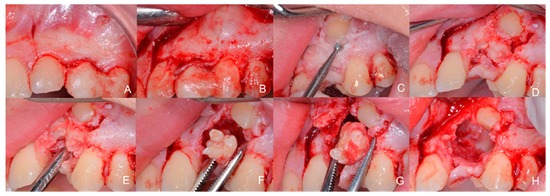
RCT removes the infected pulp tissue from inside the tooth, eliminates bacteria, and seals the space to prevent future infection. Its positive effects on cardiovascular health occur through several pathways:
1. Eliminating the Source of Infection
By removing the infected pulp, the primary source of bacteria is eliminated. This stops bacteria from spreading to the heart.
2. Reducing Systemic Inflammation
Once the infection is controlled, the body no longer needs to maintain a heightened inflammatory response. Reduced inflammation means reduced risk of arterial plaque buildup and lower strain on the heart.
3. Preventing Bacteremia
A treated tooth significantly lowers the chance of bacteria entering the bloodstream. This is especially important for high-risk patients; those with heart murmurs, valve disorders, prosthetic valves, or a history of endocarditis.
Scientific Evidence Supporting the Connection
Several studies in recent years have strengthened the connection between oral infections and cardiovascular disease. The key findings of these studies include:
- Patients with untreated rootinfections have a higher risk of coronary artery disease compared to those who have received RCT.
- RCT-teeth are associated with lower markers of systemic inflammation, such as C-reactive protein (CRP).
- Individuals who undergo timely RCT have better blood vessel function, indicating healthier cardiovascular systems.
- RCTreduces the likelihood of bacterial translocation; the movement of bacteria from the oral cavity to the bloodstream.
These findings suggest that timely done RCT plays a preventive role in heart health.
Who Benefits the Most?
Anyone with an infected tooth benefits from root canal treatment, but certain groups gain even more protection in terms of heart health. For these individuals, ignoring dental infections can significantly raise cardiovascular risks. They include patients with existing heart problems, diabetes. compromised immune system and poor oral hygiene who frequently experience gum infections.
RCT vs Tooth Extraction: Which is better for Heart Health?
Some people think extraction is a simpler alternative, but removing a tooth leaves spaces that can accumulate bacteria, affect chewing efficiency, and increase oral imbalance. On the contrary, RCT saves the natural tooth, restores function without creating gaps and ensures long-term stability of oral flora. Therefore, as long as the tooth can be saved, RCT is a healthier option, not just for the mouth but for the heart as well. Cardioprotective role of RCT, thus become evident.
Tips to Protect Oral and Heart Health
1. Maintain good oral hygiene: Brush twice daily, floss regularly and use antibacterial mouthwash when needed.
2. Visit your dentist every 6 months: Early detection can prevent the spread of infection.Treat dental pain immediately as delaying RCT increases dental and cardiovascular risks.
4. Inform your dentist about heart problems: Patients with certain cardiac conditions may need antibiotic prophylaxis before RCT.
5. Adopt a heart-healthy lifestyle: A balanced diet, exercise, and control of chronic diseases complement strong oral health.
References
Al-Abdulla N, Bakhsh A, Mannocci F, Proctor G, Moyes D, Niazi SA. Successful endodontic treatment reduces serum levels of cardiovascular disease risk biomarkers—high-sensitivity C-reactive protein, asymmetric dimethylarginine, and matrix metalloprotease-2.
Int. Endodontic J. 2023;56(12):1499–1516. doi:10.1111/iej.13979.
Cowan LT, Lakshminarayan K, Lutsey PL, Beck J, Offenbacher S, Pankow JS. Endodontic therapy and incident cardiovascular disease: The Atherosclerosis Risk in Communities study. J Public Health Dentistry. 2020;80(1):79–91. doi:10.1111/jphd.12353.
Read our full disclaimer.