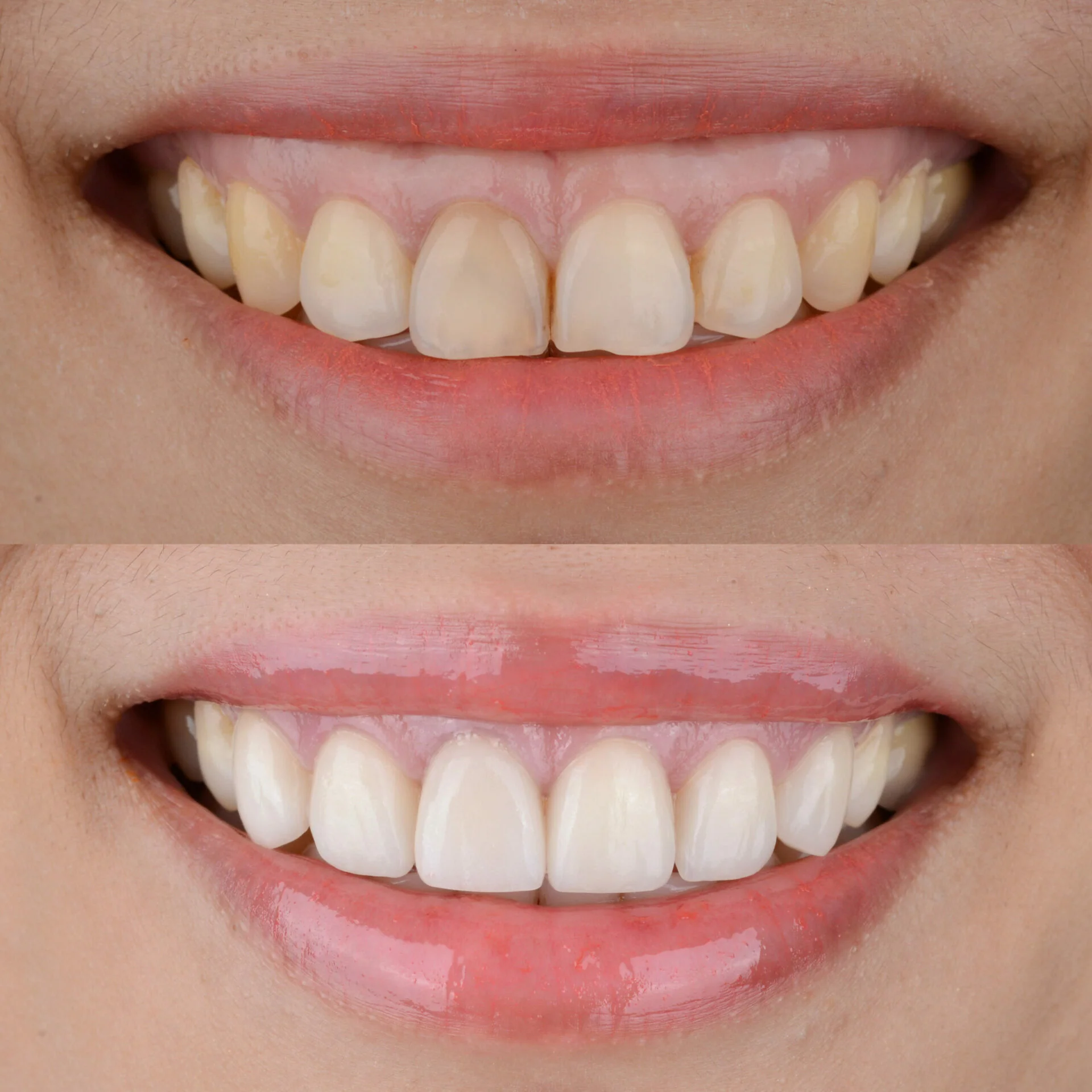
A beautiful smile is always linked with confidence, positive social interaction and communication. However, for some people, an excessive display of gum tissue when smiling, known as a “gummy smile”, can cause self-consciousness and affect their confidence. Although it is not a medical concern in the majority of cases but a gummy smile can have aesthetic and psychological concern. In some cases, excessive gum tissue can create areas where plaque accumulates, increasing the risk of gum disease. In addition, an excessive gum display makes facial proportions appear less balanced, influencing aesthetics of the face. Individuals with a gummy smile, feel shy to smile or speak in public, adversely affecting their confidence.
A gummy smile can arise from various anatomical and physiological factors. Some individuals naturally experience an overgrowth of gum tissue covering their teeth, giving their smile a gummy appearance. This occurs when the gums fail to recede properly during tooth eruption, leading to excessive gums display. In some cases, overactive upper lip muscles lift the lip higher than usual, exposing more gum tissue. The teeth that appear short due to excessive gum coverage or natural wear can contribute to a gummy smile as well. In certain instances, vertical maxillary excess—where the upper jaw is longer than normal—can also lead to excessive gum exposure when smiling.
Treatment Options
Various treatment options are available to correct a gummy smile, depending on its underlying cause. The options include;
- Gingivectomy: This is a surgical procedure that removes diseased or excess gum tissue to expose more of the tooth structure, improving the smile-appearance.
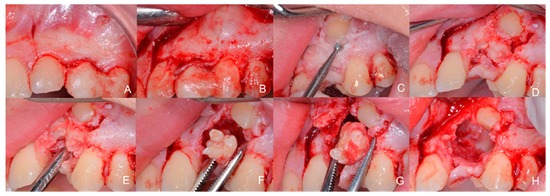
- Crown Lengthening: This minor surgical procedure Involves removing excess gum tissue and underlying bone and reshaping the bone if necessary.
- Lip Repositioning Surgery: This is also a minor surgical procedure. It limits the movement of the upper lip, which ultimately reduces excessive gum exposure when smiling.
- Orthodontic Treatment: Braces or aligners can help adjust the positioning of the teeth and jaw, potentially reducing gums display.
- Orthognathic Surgery: In severe cases involving skeletal abnormalities, jaw surgery may be required to correct vertical maxillary excess.
- Botox: Botulinum toxin (Botox) injection temporarily weaken the upper lip muscles, preventing excessive lifting of the lip.
Read our full disclaimer.