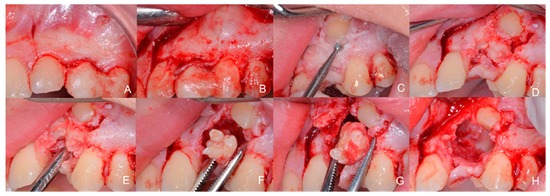
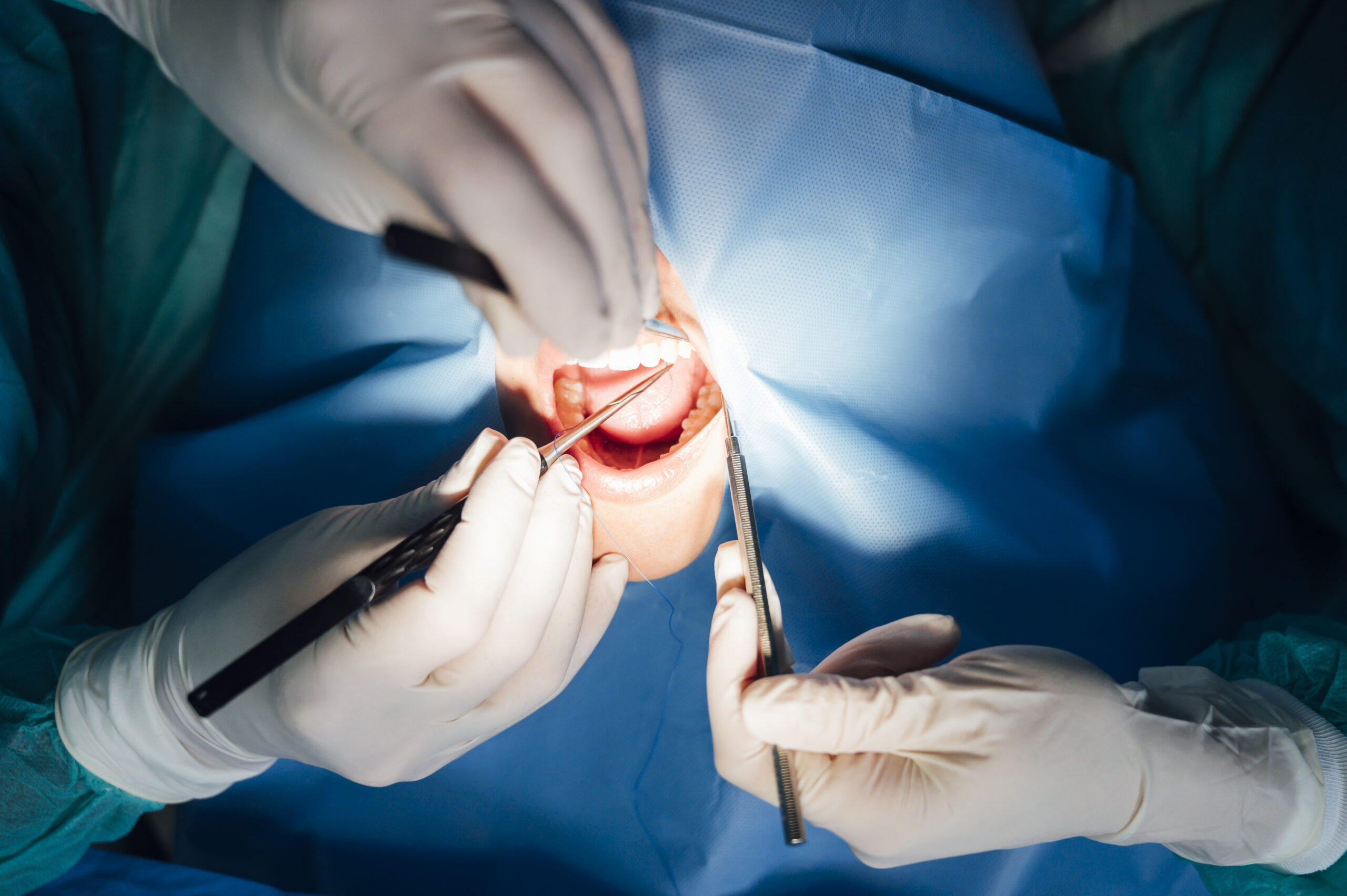
Wisdom teeth (3rd molars) begin to erupt around age 18 and can continue to emerge over a variable period. Although not all wisdom teeth cause issues, early evaluation and proactive extraction can help prevent long-term dental problems. Dentists use regular check-ups and X-rays to assess the position and growth of wisdom teeth. They can then recommend removal at the ideal time, even if the teeth are currently pain-free and symptom-free. This proactive approach can help mitigate existing complications or avoid potential future dental issues.
Dentists avise Extraction of a wisdom tooth;
When a wisdom tooth only partially erupts or becomes impacted, it can create a space where bacteria can accumulate. This can lead to Pericoronitis, a painful infection of the gum tissue surrounding the partially erupted tooth
If a dental X-ray shows that a partially or fully impacted tooth is exerting pressure on the neighboring tooth (2nd molar) which can cause damage tooth decay, root resorption, or bone loss in future.
If a wisdom tooth is exerting pressure on surrounding teeth, it can cause them to shift out of position. It leads to misalignment. Sometimes, wisdom teeth need to be taken out to make braces or aligners more effective and ensure optimal tooth alignment to straighten crooked teeth.
Even if wisdom teeth are not causing pain, they can harbor low-grade infections that may not immediately cause symptoms but can lead to an abscesses or sinus infection in future.
If the position of a wisdom tooth makes it difficult to clean properly, it can increase the risk of gum disease. This can negatively impact the health of surrounding teeth.
Younger patients tend to heal more quickly and experience fewer complications after wisdom tooth extraction. This makes early extraction, before the roots fully develop or the bone hardens with age, a preferable option.
Read our full disclaimer.