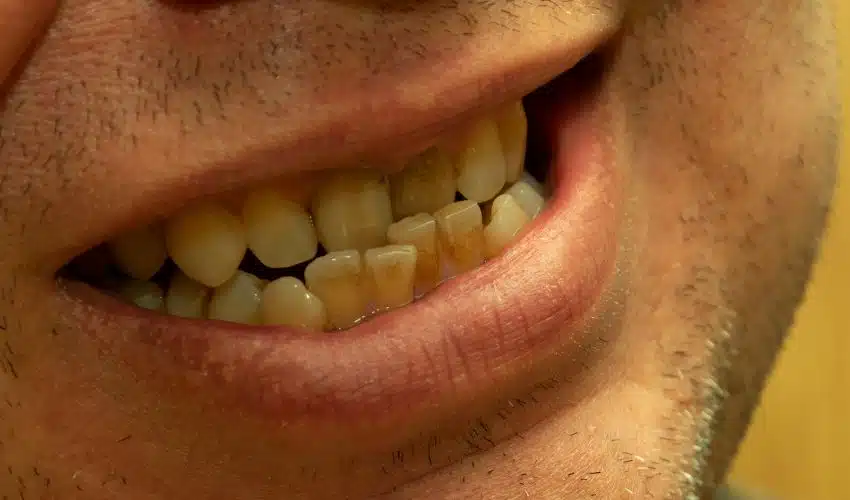
The misaligned bites and jaws can lead to a variety of problems, ranging from mild discomfort to more serious health issues. These issues can affect not only oral function but also overall well-being, impacting speech, chewing efficiency, and even posture.
Dental Problems: Misalignment can cause uneven wear on teeth, leading to enamel erosion, chipping, or cracking. It increases the risk of cavities and gum disease as crooked teeth difficult to clean. Tooth Loss may occur over the period of time due to excessive pressure on certain teeth.
Jaw Pain and Discomfort: Teeth misalignment strains the Jaw joint (TMJ), causing pain, clicking or popping sounds when opening or closing the mouth. Moreover, persistent discomfort or pain especially after chewing or speaking for extended periods is also a symptom associated with crooked teeth.
Headaches and Migraines: Misalignment sometimes causes muscle tension in the jaw, which may lead to frequent vague headaches or migraines.
Difficulty in Chewing and Speaking: It can make it difficult to chew food properly, potentially triggering digestive issues. Some people with jaw misalignment may experience speech difficulties, such as lisping or other articulation problems.
Sleep Apnea and Breathing Issues: A misaligned jaw can contribute to airway obstruction during sleep, causing sleep apnea, which is characterized by interrupted breathing during sleep. It can also cause or exacerbate snoring.
Facial Asymmetry: It can create esthetic issues as well. A misaligned jaw leads to obvious facial asymmetry, which may affect a sufferer’s confidence.
Neck and Shoulder Pain: Pain in the neck and shoulders is another common complaint. Misalignment causes compensatory strain in the neck and shoulder muscles, leading to chronic pain and discomfort.
Ear Problems: Some people feel pain in their ears due to teeth misalignment. The pain refers to the ears without an apparent ear infection.
Psychological Impact: Evident misalignment or associated speech difficulties can affect a person’s social interactions due to lowered self-esteem.
Treatment Options for misaligned bites and jaws;
Treatment for an unaligned jaw depends on the severity and underlying cause. The treatment options include:
- Orthodontic Treatment: Braces or clear aligners to correct tooth alignment.
- Jaw Surgery: In severe cases, dentists reommend orthognathic surgery to realign the jaw.
- TMJ Therapy: Exercises, splints, or other therapies to relieve TMJ-related symptoms.
- Lifestyle Changes: Stress management, dietary changes, and posture correction to alleviate symptoms.
Read our full disclaimer.