Long-standing gum disease, known as periodontitis, can lead to gradual loss of the bone supporting the teeth. As the infection progresses, inflammation weakens the surrounding structures. It causes the teeth to become loose. Without timely treatment, continued bone loss results in tooth mobility and eventual tooth loss. One of the effective treatment modalities for managing the bone loss is bone grafting. The bone grafting aims to regenerate lost bone and provide structural support to the tooth supporting tissues, ultimately improving tooth stability and oral function.
Bone Grafting
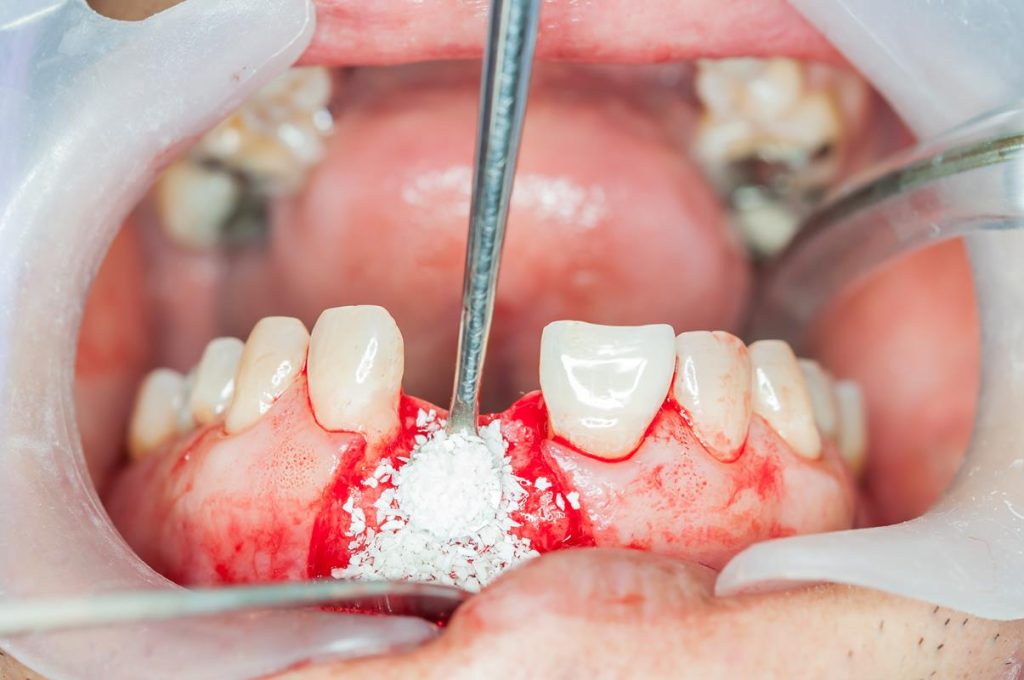
Bone grafting is a surgical procedure that involves the placement of bone or bone-like materials in areas of bone deficiency to stimulate regeneration. This procedure provides a frame for new bone growth and helps in restoring the structural integrity of the affected area. The success of bone grafting depends on various factors, including the choice of graft material, surgical technique, and patient-related factors such as general health and oral hygiene.
Types of Bone Grafts
Autografts: Bone harvested from the patient’s own body, usually from the lower Jaw. These grafts have high bone forming potential but require an additional surgical site.
Allografts: Bone obtained from human donors and processed to remove antigens. These are in common use due to their availability and effectiveness.
Xenografts: Bone derived from animal sources, usually from cattle and pigs . These grafts also serve as a frame for bone regeneration and are gradually resorbed.
Alloplasts: Synthetic bone substitutes, such as hydroxyapatite and bioactive glass, that provide a framework for new bone formation.
Procedure for Bone Grafting
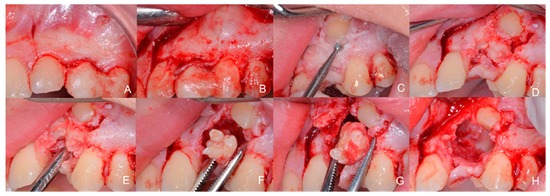
The patient undergoes a thorough clinical and radiographic evaluation to explicitly determine the extent of bone loss and select the appropriate graft material. Your dentist will clean the affected area and remove any diseased tissue to create a healthy environment for graft placement. The chosen graft material is placed into the bony defect and stabilized. A guided tissue regeneration (GTR) membrane may be used to prevent soft tissue invasion into the grafted site. The surgical site is sutured, and postoperative care instructions are given to the patient to ensure proper healing.
Post-graft-placement issues
Challenges associated with bone grafting include risk of infection, graft rejection, slow healing, and incomplete bone regeneration. However, advancements in regenerative techniques, such as the use of growth factors like platelet-rich plasma (PRP) and stem cell-based therapies, have improved the predictability of bone grafting outcomes.
Bone Loss after wisdom tooth extraction
There can be a connection between wisdom tooth removal and dental implants, but it depends on the individual’s oral condition. After a wisdom tooth extraction, the surrounding bone shrinks over the period of time. If your dentist decides to place an implant near the extraction site (e.g., replacing a second molar), bone loss could make implant placement more challenging. In such cases, bone grafting becomes mandatory to restore bone volume before placing an implant.
Read our full disclaimer.