Bad breath (Halitosis) is a common concern that can be embarrassing and affects one’s confidence. There are many delusions surrounding bad breath, which lead to ineffective solutions or even worsen the problem. Some of the misconceptions include;
Bad Breath Affects adults only:
Children can also experience bad breath, it is often due to poor oral hygiene, mouth breathing, or certain foods. It’s important to teach kids good dental habits early on.
Bad Breath Originates from the Stomach only:
Though certain digestive issues can contribute to bad breath, but the vast majority of cases originate in the mouth. The primary culprit is bacteria that accumulate on the tongue, teeth, and gums, producing foul-smelling compounds.
Exhaling in cupped hands reveals bad breath:
This method is unreliable because you quickly become accustomed to your own breath and may not accurately detect any odor. A more effective way to check is to gently scrape the back of your tongue with a spoon or cotton swab and smell it.
Mouthwashes cure bad breath:
Mouthwash temporarily mask bad breath or kill some bacteria but it doesn’t address the underlying cause. In fact, some mouthwashes contain alcohol, which can dry out the mouth and worsen bad breath in the long run.
Brushing teeth is enough to prevent bad breath:
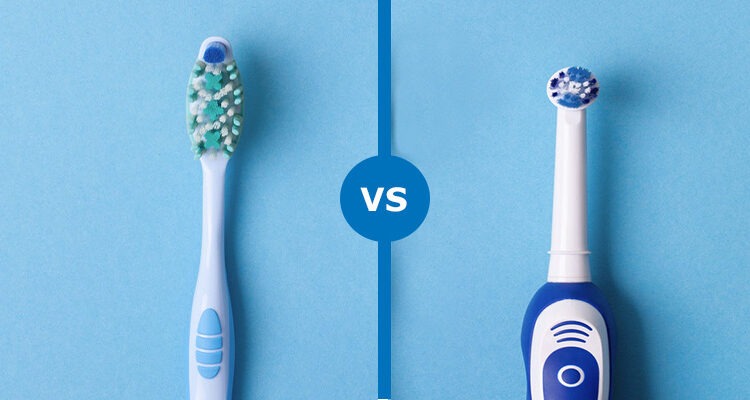
Brushing is essential, but it only cleans the surfaces of your teeth. To effectively combat bad breath, you also need to floss daily to remove food particles trapped between teeth. Aterwards, clean your tongue with a tongue scraper or brush to eliminate bacteria.
Bad breath is always a sign of poor oral hygiene:
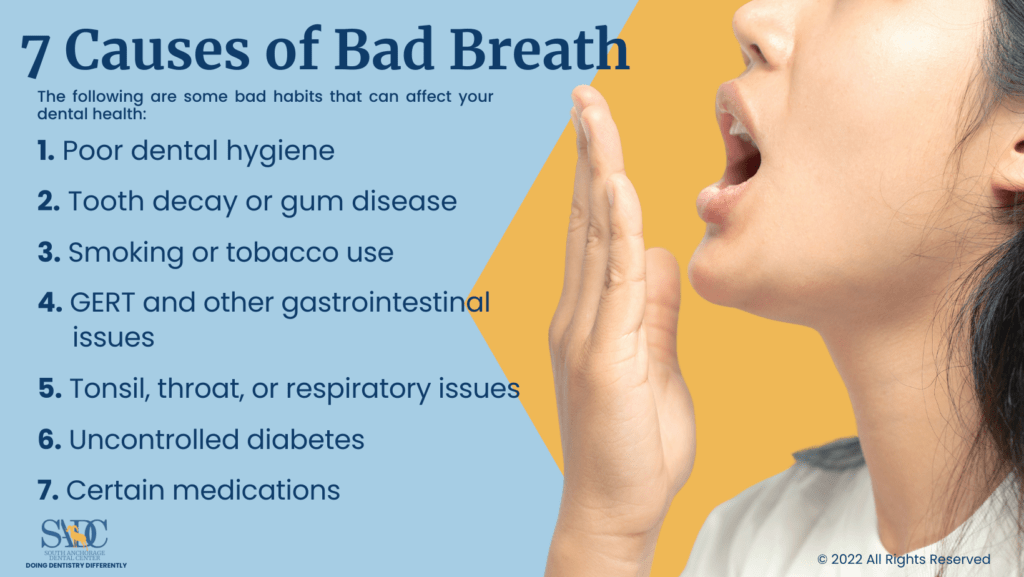
While poor oral hygiene is a common cause, other factors, such as dry mouth, certain medical conditions, sinus infections, diabetes, medicines, or even diet, can develop it.
Everyone knows when he/she has bad breath:
Unfortunately, many people are unaware that they have bad breath because they become accustomed to the smell over the period of time. This is why it’s essential to practice good oral hygiene habits and occasionally ask a trusted friend or family member for feedback.
Bad breath is contagious:
Halitosis itself is not contagious, but the bacteria that cause it can be transferred through saliva.
Bad breath is a sign of serious illness:
Though persistent bad breath can sometimes indicate an underlying medical condition but it’s cause may beless serious factors like poor oral hygiene or diet. However, if you have persistent bad breath despite good oral hygiene practices, it is best to consult a dentist to rule out any potential health issues.
Bad breath is always caused by bacteria:
While bacteria are a primary cause, other factors like diet (e.g., garlic, onions), smoking, alcohol consumption, or systemic conditions (e.g., liver or kidney disease) can also contribute to bad breath.
Eating mints or chewing gum can cure bad breath:
They can temporarily freshen breath by masking odors or stimulating saliva production, but they don’t address the underlying cause of halitosis. Sugar-free gum is a better option as it doesn’t feed oral bacteria.
Read our full disclaimer.