Categories Oral Health

Long term Consequences of a tooth extraction 

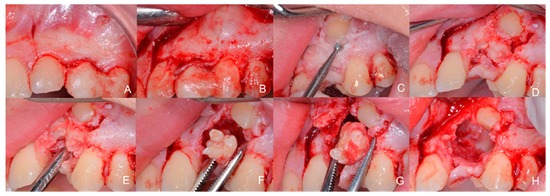
A Tooth Extraction leads to several consequences for the remaining teeth. One major issue is the shifting of adjacent teeth into the empty space, disrupting proper alignment. Over the period of time, neighboring teeth may tilt or rotate, causing bite problems and misalignment. This teeth movement can also create gaps, making teeth more prone to decay and gum disease. Moreover, the lack of support may lead to bone loss in the jaw, further compromising oral health.

Misalignment of bite: When your teeth shift, it can change the way your upper and lower teeth come together. This leads to problems with chewing, speaking, and even jaw pain.

Increased risk of tooth decay and gum disease: When your teeth are misaligned, it will be harder to clean them properly. This increases your risk of tooth decay and gum disease.

Bone loss: The bone that supports your teeth starts to shrink after tooth extraction. This makes it difficult to replace the missing tooth with a dental implant later on.

If you have a missing a tooth, it is important to talk to your dentist about your options for replacing it. There are a number of different ways to replace a missing tooth, including dental implants, bridges, and removable dentures. Your dentist can help you choose the best option for your individual needs.

When an upper or lower molar is extracted, the opposing molar may over-erupt into the empty space. Dentists call it a “supra-eruption”. This happens because teeth naturally seek an opposing contact for balance in the bite.

However, the extent of movement depends on several factors:

  Age:  The process is slower in older age compared to younger individuals.

Time since extraction: Overeruption usually takes months to years.

Opposing tooth stability: If your lower second molar has strong bone support and no mobility, it may not move significantly.

Bite forces and habits: Clenching or grinding can affect how much the lower molar moves.

How to prevent tooth extraction consequences

If you’re concerned, you can:

 Monitor the molar: Regular dental checkups will help assess any movement.

Consider a replacement:  A dental implant or bridge can maintain occlusion.

Use a retainer or nightguard: If your dentist advises, this will help keep the lower molar in place.


Medical Disclaimer: The information provided in this article is for educational and informational purposes only and is not intended as a substitute for professional medical, dental, or healthcare advice, diagnosis, or treatment. Always consult a qualified dentist or healthcare professional for personalized advice regarding your oral health or any medical concerns. This site does not provide medical advice or services.

Read our full disclaimer.

About The Author

Dr. Asaad Javaid is a dental academic, researcher, and educator with extensive experience in dentistry, dental education, and oral healthcare. He currently serves as Dean at Bhitai Dental & Medical College and has a strong background in operative dentistry, curriculum development, and healthcare education.

Through Oral Health Insights, Dr. Javaid shares evidence-based information on oral hygiene, preventive dentistry, gum health, dental materials, and emerging developments in oral healthcare. His mission is to help readers make informed decisions about their dental health through accurate, research-backed, and easy-to-understand content.

Qualifications:
• BDS
• MDS
• Dental Educator & Researcher

Areas of Expertise:
• Preventive Dentistry
• Operative Dentistry
• Oral Health Education
• Dental Materials Research

Role at Oral Health Insights:
Founder, Editor, and Medical Reviewer

Professional Profile:
LinkedIn: View Profile
Google Scholar: View Profile

More From Author

Leave a Reply

Your email address will not be published. Required fields are marked *