Killing causative bacteria has been the main strategy to prevent gum diseases. Mouthwashes, antibiotics and strong chemical agents have all been used to eliminate the microbes believed to cause these diseases. However, modern research into the oral microbes has introduced a revolutionary idea. It states that instead of destroying all bacteria, we should aim to restore balance among them. This emerging concept represents a new and smarter way to prevent gum disease without harming the beneficial bacteria that naturally protect the mouth.
The human mouth contains hundreds of species of microorganisms. Not all bacteria are harmful. In fact, many “good bacteria” play an essential role in maintaining oral health. These beneficial microbes help control inflammation, prevent overgrowth of harmful species. They also aid digestion and even support the immune system. Problems begin when harmful bacteria outnumber the beneficial ones, creating a condition known as dysbiosis. This imbalance leads to plaque accumulation, gum inflammation, bleeding, bad breath. It eventually causes destruction of the tissues supporting the teeth.
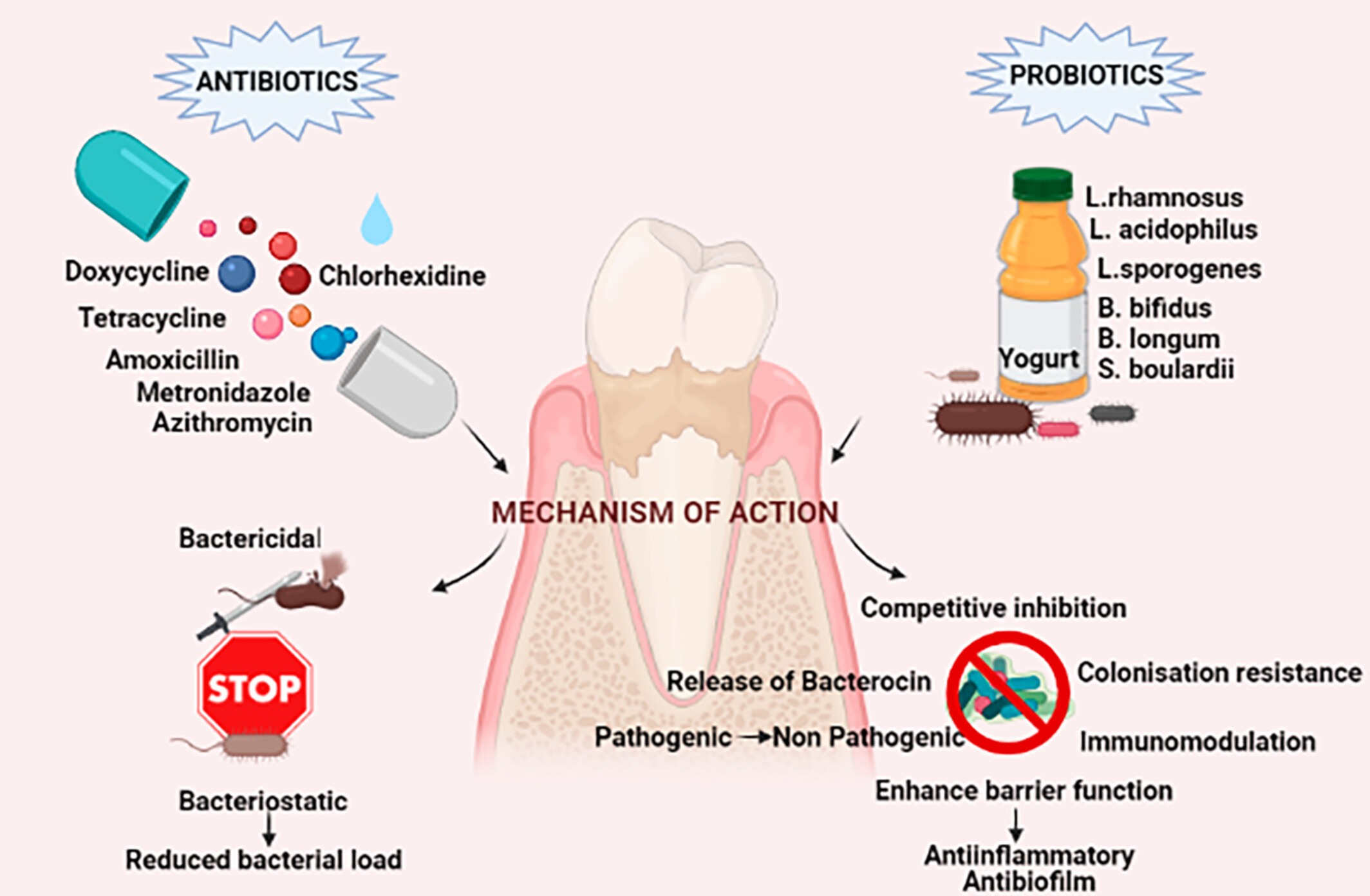
Traditional antibacterial treatments generally act like a “forest fire,” wiping out both harmful and beneficial bacteria alike. Such treatments temporarily reduce infection but they also disturb the natural microbial system of the mouth. Once the good bacteria are reduced, harmful microbes may return even stronger, sometimes leading to recurrent gum disease. Scientists now believe that preserving the healthy microbes is just as important as eliminating harmful pathogens. In future, for sustainable gum care, dentists will recommend use of various probacteria methods.
Probiotics
One promising new approach involves the use of probiotics for gum care. Probiotics are beneficial live microorganisms that help restore microbial balance. Certain strains such as Lactobacillus reuteri and Streptococcus salivarius have shown encouraging results in reducing gum inflammation and suppressing disease-causing bacteria without damaging the healthy flora. These probiotics can be delivered through lozenges, chewing gums, mouth rinses or specially designed toothpastes. Instead of killing everything in the mouth, they help create an environment where beneficial bacteria thrive naturally.
Prebiotics
Another innovative strategy is “prebiotic dentistry.” Prebiotics are substances that selectively nourish good bacteria already present in the mouth. Just as healthy soil promotes the growth of beneficial plants, prebiotics encourage the growth of protective microbes while making conditions less favorable for harmful species. Researchers are studying natural compounds derived from plants, fibers, and certain sugars that may strengthen beneficial oral bacteria and improve gum health.
Smart antibiotics
Targeted antimicrobial peptides are also being explored as an advanced method of prevention. Unlike conventional antibiotics that indiscriminately kill bacteria, these peptides attack harmful periodontal pathogens while sparing beneficial microbes. This precision-based therapy may significantly reduce side effects and maintain the delicate microbial balance within the oral cavity.
Dietary modification
It is another important component of this modern preventive philosophy of gum care. Excessive sugar intake promotes harmful acid-producing bacteria and inflammation. In contrast, diets rich in fruits, vegetables, omega-3 fatty acids and antioxidants support beneficial bacteria and reduce gum inflammation. Green tea, yogurt, cranberries and fiber-rich foods are good for healthier oral microbial communities.
Saliva also plays a major protective role. Saliva contains natural enzymes and proteins that regulate bacterial populations. Dry mouth conditions can disturb microbial balance and increase the risk of gum disease. Therefore, maintaining hydration, stimulating saliva flow and avoiding unnecessary use of harsh alcohol-based mouthwashes can help preserve healthy oral ecology.
The future of gum disease prevention may eventually become highly personalized. Scientists are now studying microbiome testing that can identify the unique bacterial composition of an individual’s mouth. Dentists may soon be able to design customized probiotic or microbe therapies tailored to each patient’s specific needs. This personalized approach could revolutionize preventive dentistry.
References
Sanz M, Herrera D, Kebschull M, et al. Treatment of Stage I–III Periodontitis—The EFP S3 Level Clinical Practice Guideline. Journal of Clinical Periodontology. 2020;47(Suppl 22):4–60. doi:10.1111/jcpe.13290
Teughels W, Durukan A, Ozcelik O, Pauwels M, Quirynen M, Haytac MC.
Clinical and microbiological effects of Lactobacillus reuteri probiotics in the treatment of chronic periodontitis: a randomized placebo-controlled study. Journal of Clinical Periodontology. 2013;40(11):1025-1035. doi:10.1111/jcpe.12155.
Slomka V, Herrero ER, Boon N, Bernaerts K, Trivedi HM, Daep C, Quirynen M, Teughels W. Oral prebiotics and the influence on oral microbiota and periodontal health. Journal of Periodontal Research. 2017;52(3):361-367. doi:10.1111/jre.12400.
Angarita-Díaz MP, Fong C, Medina D. Bacteria of healthy periodontal tissues as candidates of probiotics: a systematic review.
European Journal of Medical Research. 2024;29:328.
Read our full disclaimer.