Dental fillings are a valuable tool in restorative dentistry, but they require proper care and maintenance to ensure their longevity and prevent recurrent tooth decay. It is a common misconception that dental fillings last forever. Several reasons why this statement is untrue are explained below:
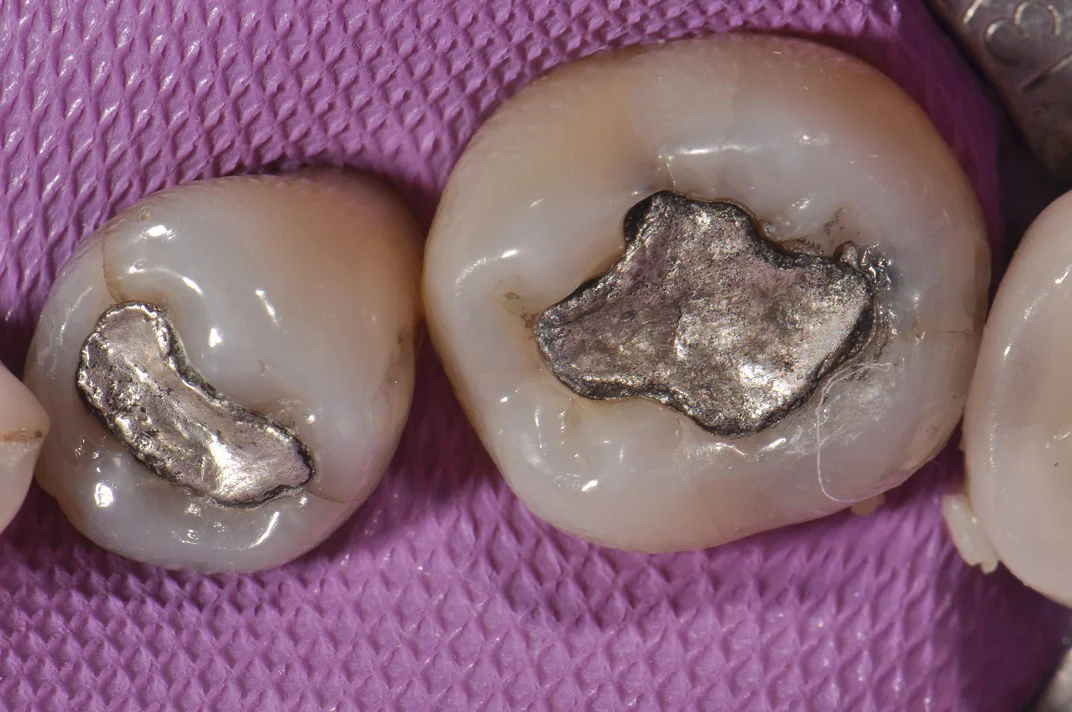
Filling Materials Have a Lifespan: Dental fillings, while durable, are not indestructible. They are subject to wear and tear from chewing, biting, and grinding. Over the period of time, they can break down, crack, or become dislodged. The lifespan of a filling varies depending on the material used, its size, and the patient’s oral hygiene habits.
Decay Can Occur Underneath: If oral hygiene is poor, bacteria can still accumulate around the edges of a filling, leading to secondary tooth decay. It is also called as recurrent decay. This decay can progress underneath the existing filling without being immediately noticeable.
Oral Environment Matters: The mouth is a dynamic environment with fluctuating pH levels, temperature changes, and constant exposure to bacteria and food particles. This hostile environment also can contribute to the deterioration of fillings.
Recurrent tooth decay can lead to several complications if left untreated.
- Pulpal Involvement: If decay progresses beneath a restoration, it can reach the softer tissue of the tooth- pulp. It causes pulpitis, pulp death, increasing the need for root canal treatment.
- Restoration Failure: Decay around the margins can cause leakage, weakening the bond and leading to restoration dislodgment or fracture.
- Tooth Fracture: The weakened structure of the tooth due to recurrent decay can make it more prone to fractures.
- Periodontal Problems: The spread of decay under the gums can irritate the gums, causing localized periodontitis and bone loss.
- Periapical Infections: It can also cause periapical abscess formation.
- Increased Sensitivity: Recurrent decay can cause hypersensitivity to hot, cold, or sweet stimuli.
- Aesthetic Concerns: If the affected tooth is in the front region of the mouth, recurrent decay can lead to discoloration, visible defects, and compromised smile esthetics.
- Tooth Loss: If the lesion becomes too extensive, the tooth may become non-restorable, necessitating extraction.
- Spread of Infection – In severe cases, untreated recurrent caries can contribute to odontogenic infections that may spread to adjacent tissues, causing cellulitis, Ludwig’s angina, or systemic complications like sepsis.
Prompt treatment of recurrent tooth decay is a proactive approach that saves both hassle and money. It helps avoid major dental procedures, reduces discomfort, and preserves the natural dentition for longer.
Read our full disclaimer.