Teeth grinding, or bruxism, is a common condition affecting adults. It frequently occurs unconsciously during sleep. Though apparently a minor annoyance, persistent grinding leads to a cascade of oral health problems, adversely affecting everything from tooth enamel to jaw function.
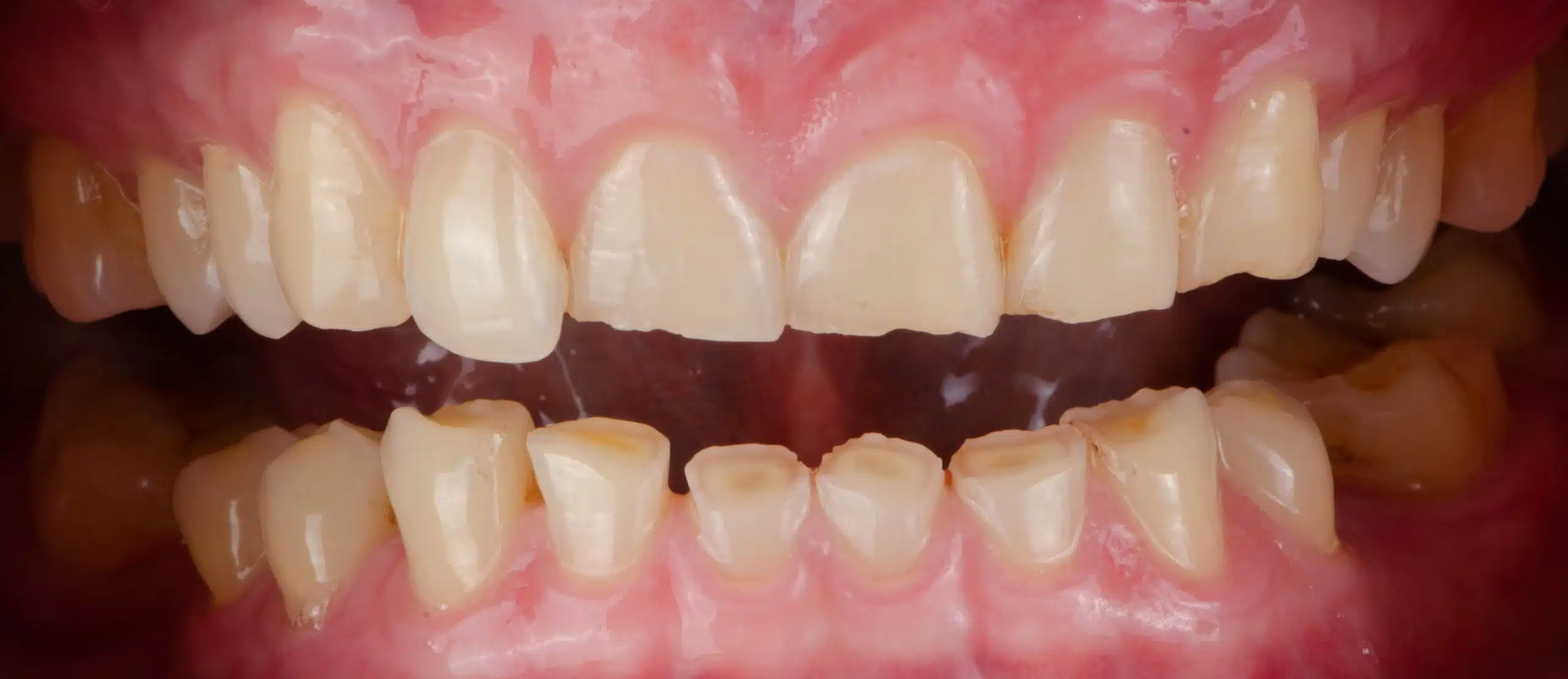
Many individuals are unaware they grind their teeth at night until a partner or dentist notices the significant signs. These signs can include flattened or worn-down teeth, chipped enamel, jaw muscle soreness, headaches, and even jaw joint (TMJ) disorders. The grinding sound itself, though sometimes audible to others, rarely wakes the individual. This lack of awareness allows the grinding to continue unchecked, leading to progressive damage over the period of time.
Causes:
The cause of bruxism is not fully understood. Mental stress and anxiety are major contributing factors. Some other potential triggers include sleep disorders like sleep apnea, certain medications, and even crooked teeth or bite problems. Genetic predisposition may also play a role. Bad posture, especially poor head, neck, and shoulder alignment, can also contribute to bruxism
Consequences:
The consequences of untreated bruxism can be substantial. Beyond the immediate discomfort of jaw pain and headaches, it can lead to irreversible tooth damage and TMJ disorders, characterized by pain in the jaw joint and surrounding muscles. It can further complicate matters, affecting chewing, speaking, and quality of life of the sufferer. In addition, persistent tension in the jaw muscles can contribute to chronic headaches and facial pain,
Treatment Option:
Fortunately, several treatment options are available for managing bruxism. One of the most common and effective solutions is the use of a custom-fitted night guard. This appliance, worn over the teeth during sleep, acts as a barrier, preventing the upper and lower teeth from grinding against each other. Though a night guard doesn’t address the underlying cause of the grinding but it effectively protects the teeth from further damage.
In cases where stress and anxiety are identified as primary triggers, stress management techniques such as meditation, yoga, or therapy can be beneficial. Addressing underlying sleep disorders, if present, can also help reduce bruxism. In some instances, dentists may recommend muscle relaxants or Botox injections to alleviate muscle tension and reduce grinding. For individuals with crooked teeth, orthodontic braces may be necessary to correct the bite and improve jaw alignment.
Read our full disclaimer.