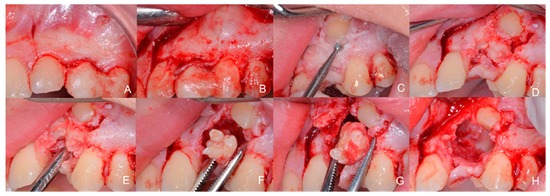
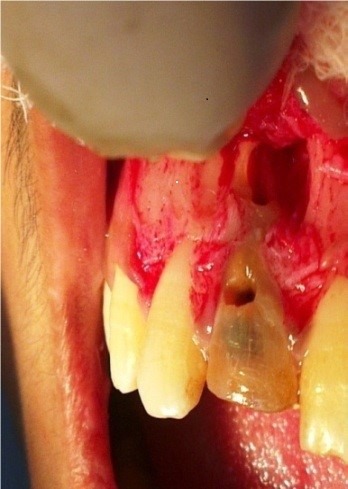
An apicoectomy is a minor surgical procedure. Dentists perform it to treat persistent periapical infections and pathology in teeth that have undergone root canal treatment but have not responded to conventional non-surgical retreatment. It is the last resort to preserve a natural tooth before its extraction.
Objectives
An apicoectomy involves the surgical removal of the apex (tip) of a root of a tooth, along with the infected surrounding tissue, followed by a backward filling of the root canal. The primary goal is to eliminate persistent infection and to seal the root end in a way that promotes healing in the bone and prevents further bacterial leakage.
Indications
All the following clinical scenarios require apicoetcomy
- Persistent periapical pathology despite adequate root canal therapy and retreatment
- Obstructed, curved, or fractured root canals that prevent normal retreatment
- Presence of periapical cysts or granulomas
- Overextended root canal fillings or broken instruments near the apex
- Apical perforations
- Need for biopsy of periapical lesions
- Teeth with prosthetic crowns where retreatment would compromise the restoration
Contraindications
- Poor periodontal support
- Vertical root fractures
- Non-restorable teeth
- Proximity to vital anatomical structures (e.g., inferior alveolar nerve, maxillary sinus)
- Systemic health conditions that impair healing (e.g., uncontrolled diabetes)
- Inaccessible surgical site
Procedure
Dentists administer local anesthesia and reflect a gum flap to expose the underlying bone. A small window is then created in the bone overlying the root tip to expose the lesion and also the root apex. They then approximately cut 3 mm of the root apex at a 0°–10° angle to remove infected tissue and eliminate lateral canals. They also remove all infected periapical bone and tissues. A small cavity is prepared in the root end and filled with a biocompatible material. The surgical site is irrigated, and the flap is repositioned and sutured. Rest of the procedure is same as applied in a routine RCT.
Prognosis
Apicoectomy has a relatively high success rate when performed correctly; reported between 80% to 90%. Factors influencing success include:
- Quality of backward apical seal
- Use of magnification (microsurgical techniques)
- Patient’s immune response and oral hygiene
Read our full disclaimer.