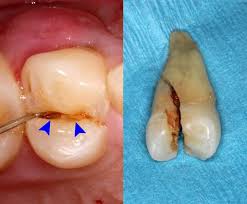
Cracked Tooth Syndrome (CTS) occurs when a tooth develops a hidden fracture. The fracture is often so small that it does not appear on dental X-rays. This usually affects molars, the teeth that bear the brunt of our biting force. Intermittent, sharp pain, sensitivity, and discomfort characterize CTS. The crack, while not completely severing the tooth, can lead to significant damage if left untreated. Common causes of CTS include teeth grinding, clenching, excessive biting force, and habits like chewing on hard objects.
Cracked tooth Syndrome is notoriously difficult to diagnose due to its subtle and intermittent symptoms. The cracks can be hairline thin and hidden beneath the gum line, making them invisible to the naked eye and even to dental X-rays. Patients find it hard to pinpoint the exact tooth, as the pain can feel like it is radiating. This elusive nature of the condition leads to delayed diagnosis and unnecessary discomfort for patients.
Cone beam Computed Tomography (CBCT) is a 3D imaging technique that provides detailed cross-sectional images of the teeth and surrounding bone. It can be particularly useful in detecting cracks that are not visible on traditional intraoral or extra oral dental X-rays.
Treatment for CTS depends on the severity and location of the crack. If the crack is small and not causing any pain or sensitivity, your dentist may recommend monitoring the tooth without any treatment. A dental crown is a cap that covers the entire tooth, protecting it from further damage and restoring its function.
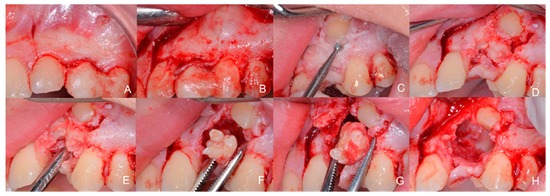
The crack can extend and involve the dental pulp which is the soft tissue inside the tooth. If this happens, a root canal treatment may be necessary. In some cases, the crack extends too far below the gum line and gets too damaged to repair. If this occurs, dentists may need to extract the teeth.
Read our full disclaimer.