Removable or fixed dentures replace the lost natural teeth. Having removable dentures in one’s mouth possesses many demerits. It displaces occasionally during chatting or eating which becomes embarrassing for the user. Researh studies reveal that many denture -wearers swallowed their removable partial denture. Surgeons performed abdominal surgeries to retrieve them. Fixed partial dentures are also known as Bridges as they bridge the gap between a lost natural tooth and two existing adjacent teeth; one at the back of lost tooth and one in front. Bridges are made with the support of these adjacent standing teeth. The procedure requires unnecessary cutting of healthy teeth. Dental implants provide another viable option to the dentists to manage such cases.
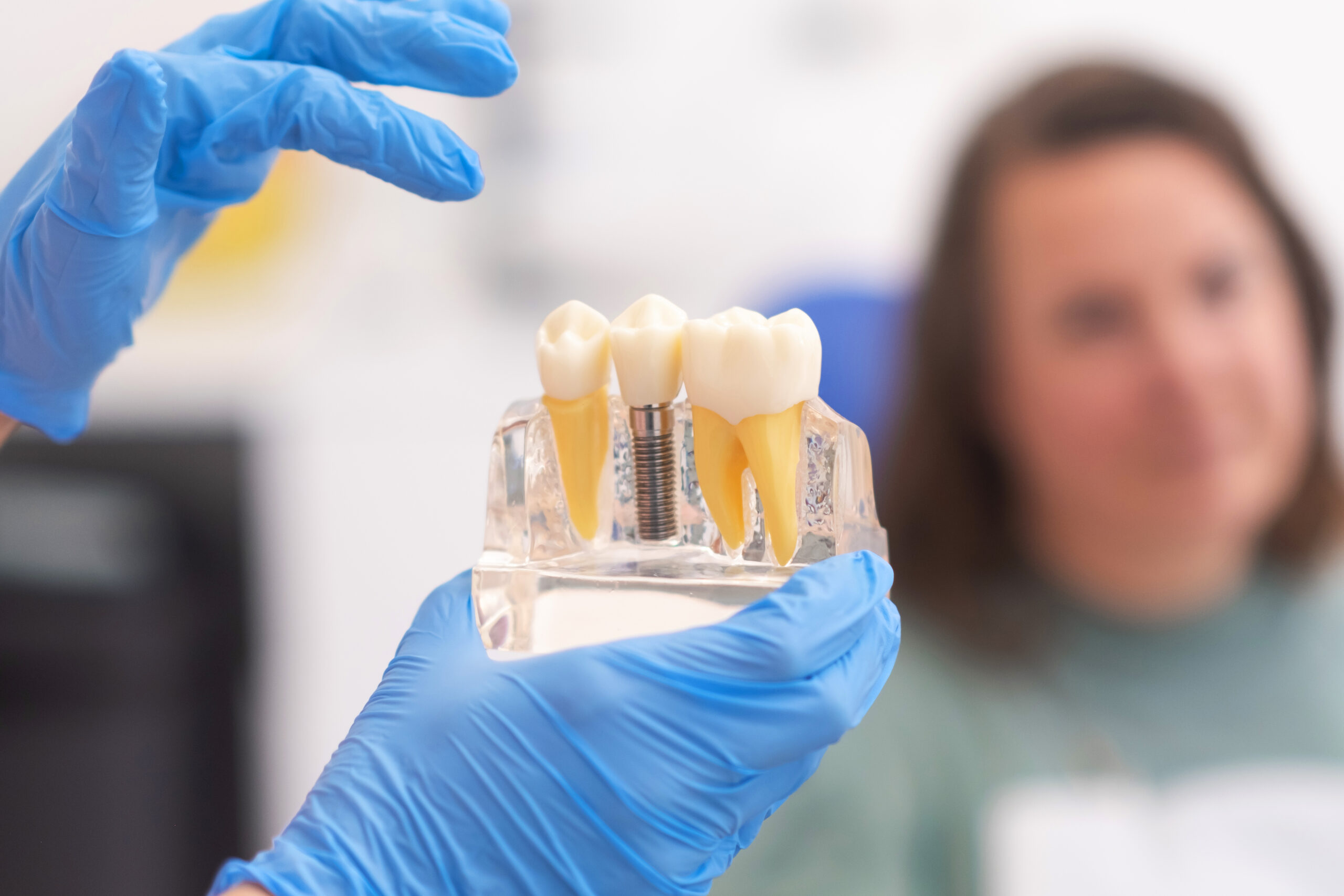
Dental implants play a critical role in modern dentistry by restoring both function and aesthetics while preserving oral structures. Their biocompatibility, durability, and ability to prevent bone loss make them an invaluable treatment option for improving oral health and general well-being. They are replacement of tooth roots that provide a strong foundation for fixed replacement of artificial crown without taking any support from adjacent teeth. When you lose a tooth, the bone beneath it starts to shrink. Dental implants can stop this bone loss.
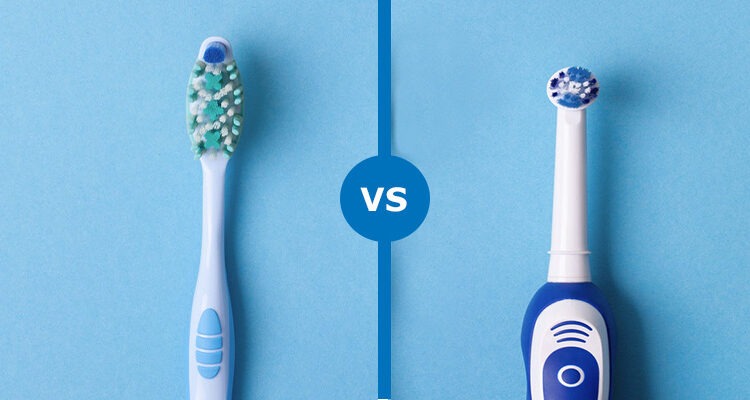
Once inserted into a jaw, an implant becomes an integrated part of the bone and requires the same home-care as natural teeth. The home-care includes twice a day tooth brushing, flossing, vigorous rinsing and swishing with a mouthwash.
Patients with dental implants experience a significant improvement in their quality of life. Implants provide a fixed solution, eliminating the discomfort, slippage, and inconvenience associated with removable dentures.
In general, implants have a very healthy success rate of up to 98%. Their longevity however, varies depending on the condition of the jawbone. The longevity of implant also depends on its loation in the jaw.
Read our full disclaimer.