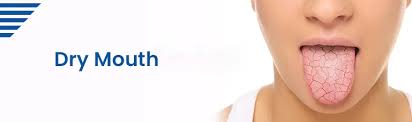
Dry mouth, also called xerostomia, occurs when your saliva-producing glands don’t produce enough saliva to keep your mouth adequately moist. Saliva performs several important functions. It washes away food particles and bacteria, neutralizes acids that cause tooth decay, aids in chewing, digestion and speech. Saliva also enhances taste sensation. Without enough saliva, you’re more vulnerable to oral infections, tooth decay, and discomfort.
Common Symptoms
Xerostomia can affect your oral health, overall comfort, and quality of life.
- Persistent dryness or a sticky feeling in your mouth
- Difficulty chewing, swallowing, or speaking
- Dry or sore throat
- Cracked lips and corners of the mouth
- Burning or tingling sensation on the tongue
- Bad breath (halitosis)
- Increased risk of tooth decay and gum disease
Causes of Dry Mouth
- Medications: Many prescription and over-the-counter medications can reduce saliva production, including antihistamines, decongestants, antidepressants, and diuretics.
- Medical Conditions: Certain diseases, such as diabetes, Sjögren’s syndrome, or Parkinson’s disease, can lead to dry mouth.
- Cancer Treatments: Radiation therapy to the head or neck and chemotherapy can also damage salivary glands.
- Lifestyle Factors: Smoking, alcohol use, and dehydration contributes to dry mouth.
- Aging: Salivary gland function may decrease naturally with age.
Management and Treatment
- Drink water: Drink 8–12 glasses of water per day, or sip water throughout the day. You can also drink water during meals to make eating easier.
- Chew sugarless gum or suck on sugarless hard candies: This stimulates saliva flow.
- Moisturize your lips: This can help soothe dry or cracked areas.
- Use saliva substitutes: You can try saliva substitutes that contain xylitol, carboxymethylcellulose, or hydroxyethyl cellulose.
- Use an alcohol-free mouthwash: Avoid mouthwashes that contain alcohol, which can dry out your mouth. Using hot salt water for mouth rinsing gives far better results.
- Avoid caffeine and tobacco: Caffeine can dry out your mouth, and tobacco and alcohol can also dry out your mouth.
- Breathe through your nose: Breathing through your mouth can dry out your mouth, so try to breathe through your nose, especially when you sleep.
- Use a room humidifier: Add moisture to the air at night with a room humidifier.
- Consider non-pharmacological interventions: These include acupuncture, electrostimulation of the salivary glands, or low-level laser therapy.
- Practice Good Oral Hygiene: Brush with fluoride toothpaste twice a day and floss daily,
When to See a Healthcare Professional
If the symptoms persist, worsen, or affect your daily life, consult your dentist or physician. Persistent dry mouth may be a sign of an underlying health condition that needs imediate attention.
Read our full disclaimer.